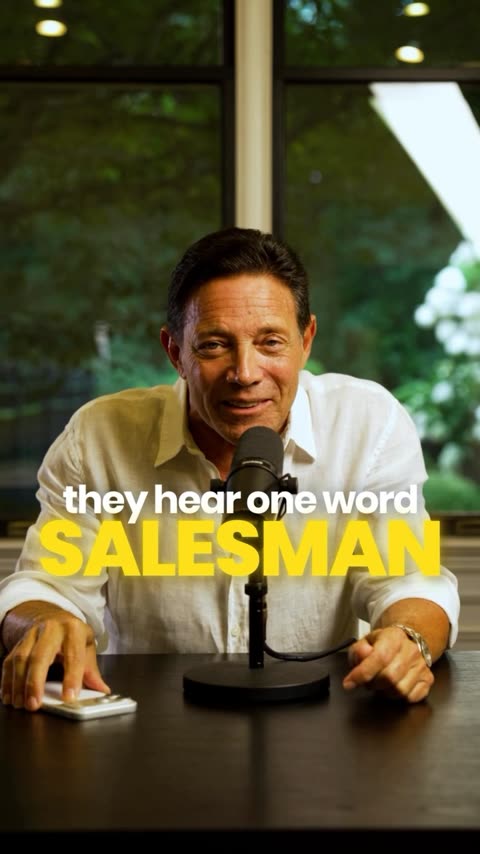
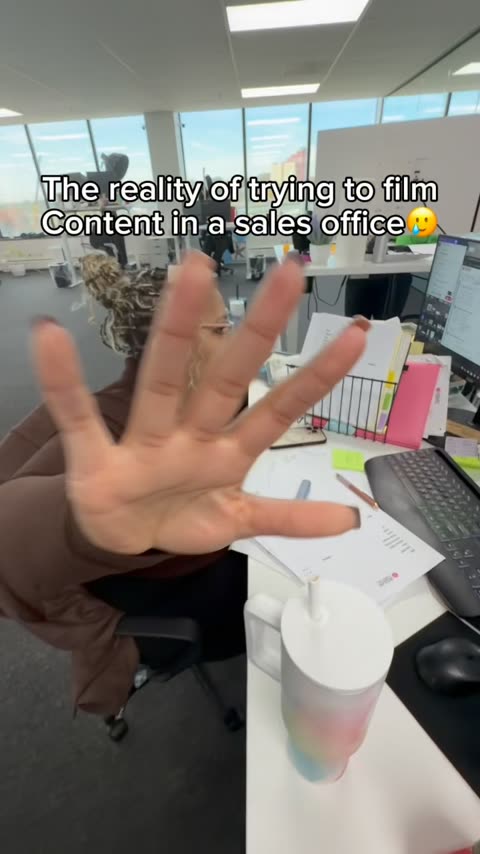
The top sales influencers in 2026 are Saad Khaja, Kenny Brooks, Jordan Belfort, Justin Brock, and Daniel G. This list ranks 20 sales influencers by median views across their recent posts, not by follower count. Each one was found by searching across hundreds of thousands of top-performing posts in the sales niche.
Show me the top sales influencers this month
Ask Klint in plain words
Examples of what you can ask Klint:
Show me the top sales influencers this month. Klint returns 20 sales influencers, ranked by median views.
Who teaches cold calling on Instagram? Klint returns 3 cold-call teachers, with what each one posts.
Which sales creators use companies as the buyer? Klint returns 8 creators, all with businesses as the buyer.
Which sales creators already run brand deals? Klint returns 4 creators, with sponsored posts in the last 90 days.
Which hooks are working in sales content right now? Klint returns 3 hook patterns, across 61 breakout posts.
Join 1,000+ marketers who use Klint to find creators in their niche. Start free
Key takeaways
8 of the 20 use companies as the buyer in their examples. The other 12 sell to consumers or to a mix, so a team that sells to companies has a shorter list than the ranking suggests.
Only 4 of the 20 show a brand deal in the last 90 days, while 18 promote something of their own: a course, a community, a product, or a store.
14 of the 20 get their largest typical reach on Instagram, 3 on TikTok, 2 on X, and 1 on YouTube.
The list at a glance
All 20 are listed in rank order. Select a row to jump to the write-up.
The best sales influencers aren’t simply the accounts with the most followers. Instagram, TikTok, YouTube, and X all show posts to people based on how the post performs individually, not just based on who follows the creator. As a result, a small or midsized account can reach more people than one several times its size.
That’s why we rank sales influencers by median views of their posts (the average number of people a typical post reaches). As of November 2026, the five most watched are Saad Khaja, Kenny Brooks, Jordan Belfort, Justin Brock, and Daniel G.
The kinds of sales creators
Sales trainers: Teach closing and objections to anyone who sells, and usually sell a program behind the free posts.
Cold-calling creators: Put the call itself on screen, with the opener and the pushback in the first seconds.
Sales comedians: Joke about quota, managers, and prospects, for people who recognize the job.
Car sales creators: Film appraisals, trade-ins, and closes with real customers on the lot.
Instagram sales influencers: Short Reels from a desk or a car. Most of the large sales accounts post here.
The 20 sales influencers to know
Grouped by the selling each creator shows, with the comedy accounts on their own. The number beside each name is the creator’s overall rank.
Closing and objection coaches
One objection, one line, or one habit per post. Most sell a course or a coaching program.
Straight-to-camera sales coaching, mostly indoors or in a car, one objection or word swap at a time. Courses in the bio, with money-mindset clips between the lessons.
Fast-cut rants to camera from a car, a gym, or a hotel room, blunt and full of swearing. Half selling tactics for closers, half discipline and money talk.
Talking-head answers and two-person role-plays in a studio, usually one objection per Reel. Scripted lines the viewer is told never to say, plus Reels that sell the NEPQ method.
Talking-head breakdowns of the sales team behind digital-product offers: funnel tier lists, closing-technique rankings, and the metrics that predict revenue. Nothing personal, and no lifestyle footage.
Desk-to-camera trainings of 15 to 25 minutes, often built on recorded sales calls with commentary over them. Objections, tonality, openers, and how to get hired as a closer.
Lessons to camera from a desk or a car, built as the mistake and then what top sellers do instead. One selling moment each: price, objections, follow-up, discovery, or tonality.
Followers
280K
Median views
6.4K
Engagement
1.5%
Posts a week
5.1
No sponsored posts found in the last 90 days.
Cold-call teachers
Dials, openers, and the first thirty seconds, usually played out as a call on screen.
Staged cold-call skits in an office, dialed to agencies and brands, with the objection written on screen. Also a talking-head series called the 13 Laws of Sales.
Followers
947K
Median views
471K
Engagement
2.5%
Posts a week
0.5
4 sponsored posts in the last 90 days, in AI apps, B2B contact data, and dictation apps.
Cold-call skits where a busy prospect objects and the opener gets worked through in under a minute. Every Reel ends on a free training for a paid cold-calling academy.
Short talking-head clips and phone-call skits from an office or a car: objection lines, discovery, follow-up, and jokes about reps who live on the phone. The CEO of a business-funding company that hires reps.
Followers
131K
Median views
13.1K
Engagement
1.9%
Posts a week
10.7
No sponsored posts found in the last 90 days.
Sales comedy
Skits and pranks about quota, prospects, and pitches. Selling is the joke, not the lesson.
A door-to-door salesman character in scripted skits, pitching a cleaning product to strangers, rappers, and athletes. The joke is the pitch, the objection, and the close.
First-person skits as a young tech-sales rep: bad managers, dead leads, dial blocks. Cold-call openers now and then, and sales-software sponsors in the feed.
Followers
56.2K
Median views
85.7K
Engagement
2.1%
Posts a week
3.7
3 sponsored posts in the last 90 days, in sales software.
Dealer-lot documentary from a New Jersey dealership: appraisals, offers, trade-ins, and closes on camera with real customers. Some car reviews and gym clips between the deals.
Handheld videos from a Mercedes showroom floor, with a general sales manager narrating a live deal or quizzing the staff. Negative equity, trade values, price objections, and the exact wording used on customers.
Talking-head and stage clips coaching Medicare insurance agents: objections, plan positioning, complaints, and lead generation. Most captions point to the founder’s own insurance agency group.
Two-person skits and talks to camera about how insurance agents open conversations and handle objections. Posts for agents thinking of quitting sit between the scripts.
Recorded cold calls to home sellers, cut with line-by-line captions and some narration over the top. Opening lines, price anchoring, and staying on the line after “stop calling me.”
Scripted role-plays that play both the agent and the seller, one objection at a time. For-sale-by-owner calls, expired listings, and commission pushback, taught to real-estate agents.
Short text posts written as a diary from an enterprise seller: pricing conversations, executive sponsors, and what makes buyers ghost. Almost never an image or a video.
Anonymous text posts and charts that read like a seller’s diary: cold-email tactics, SDR process, manager politics, and jokes about Q4. Teaching lists sit between the memes.
Followers
22.9K
Median views
8.3K
Engagement
1.2%
Posts a week
9.6
1 sponsored post in the last 90 days, in sales AI software.
We analyzed the 452 posts these 20 creators published on Instagram, TikTok, YouTube, and X in the last 30 days. Of those, 61 beat their creator’s usual views by 3× or more.
Here is how this month’s breakouts open, read from what each post says in its first seconds, or from its caption or first line when nobody speaks.
1. The line to drop
“Never open a cold call with Hi, I’m Jordan from XYZ corporation.”
Five breakouts open by naming something the viewer already does and telling them to stop: a cold-call greeting, three words in a pitch, or a price named too early. Few of the usual posts from these creators start that way.
A seller watches to check their own script against the advice, and the claim is easy to test on the next call. For a sales tool, this opening is also a natural way into a demo: the line to drop, then what the product changes.
2. The caption over a song
“They are always on the phone 🤣”
Nine breakouts have a song and no speech, and one line of caption carries the post. Every usual post we read has someone talking.
Most run under 15 seconds, and they come from teachers as well as comedians. They reach people who know the job, but they leave no room to explain anything, so a product can only be a prop.
3. The deadpan truth
“If you’re having a rough month in sales, just remember that your worth as a human being is completely correlated with how many deals you close.”
The opening is a flat claim about the job, said as though it were advice. One account supplies three of the four breakouts that open this way, so read it as a format that works for a comedian with a straight face, not a rule for the niche.
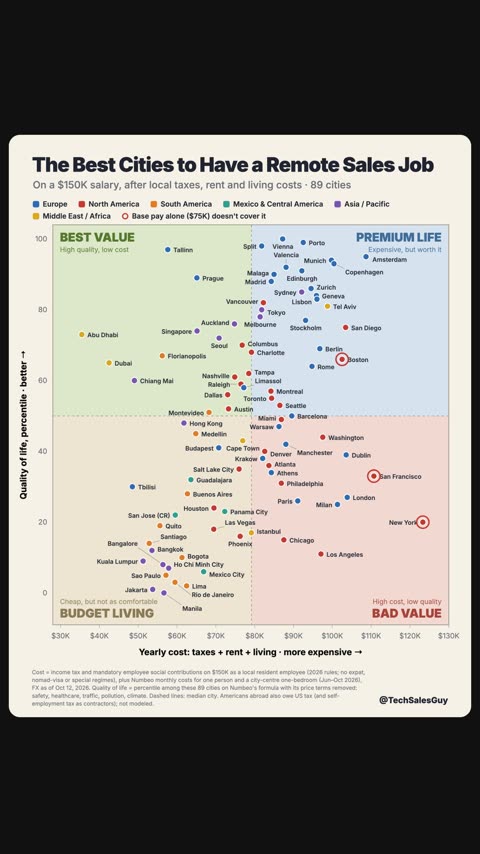
Tech Sales Guy: “The Best Cities to Have a Remote Sales Job” reached 169K views, 20.3× their usual.
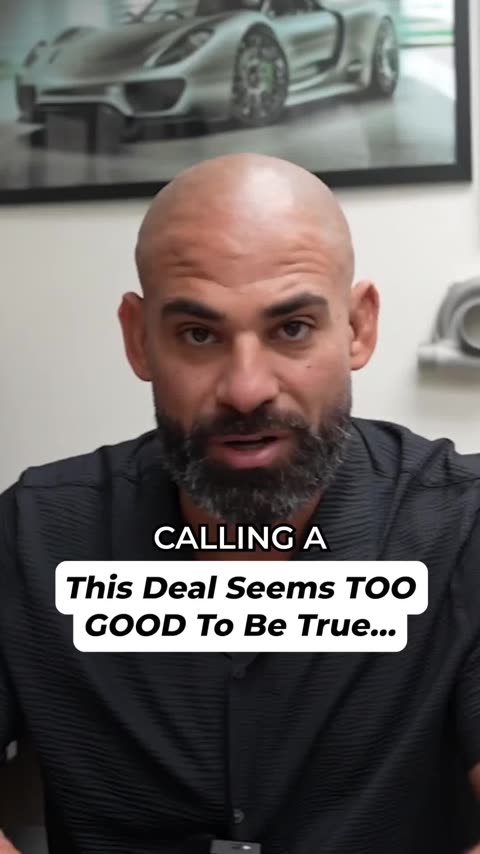
George Saliba: “Calling a customer right now” reached 802K views, 11.8× their usual.
Nate Mills: “Hey John, this is Nate Mills calling” reached 728K views, 8.5× their usual.
Sales benchmarks by account size
This table shows what the sales accounts on this list do at each size on Instagram, TikTok, YouTube, and X. Use it to judge whether a creator’s numbers are strong for their tier.
Tier
Followers
Median views
Engagement
Posts a week
Sponsored posts
Micro
10K to 100K
12.3K
2%
3.7
2%
Mid
100K to 500K
13.1K
1.9%
5.1
0%
Macro
Over 500K
212K
3.5%
6.6
2%
The figures are medians across these 20 accounts, from each account’s recent posts. “Sponsored posts” is the share of posts in the 90 days to Nov 2, 2026, that carry a paid-partnership or paid-promotion label or a stated sponsor, or are part of a brand campaign.
How to choose a sales creator
If you market a sales tool or run a revenue team, you want a creator whose viewers carry a quota and buy the kind of thing you sell.
1. Check who the buyer is in the examples
A creator who role-plays selling cars to families attracts a different seller from one who calls VPs at software companies. Watch ten posts and write down who is on the other end of the call. If your customers sell to companies, that buyer should appear often.
2. Separate sellers from people who want the lifestyle
Large accounts in this niche often mix selling tips with money talk, and “learn high-ticket sales” posts draw people who have never held a quota. Read the comments on a few teaching posts. Questions about a real deal or a real objection are a good sign.
3. Find their own offer
Many of these creators run a course or a community and promote it in their captions. That is not a problem for a software brand, but a rival training program will not get a fair hearing. Ask how your post would sit beside their own offer, and how often they would mention it.
4. Decide whether you want a lesson or a laugh
A comedian can put your product in front of many reps, but a skit has little room to show how it works. A teacher reaches fewer people and can walk through a real call with it. Choose by what the viewer has to understand before they try the product.
5. Get the disclosure in writing
Some posts in this niche name a tool with no label, and only a hashtag to mark the deal. The FTC says creators should disclose any financial relationship with a brand, and that includes free products. Put the wording in the agreement.
How we built this sales influencer list
We identified and ranked these creators by searching hundreds of thousands of top-performing sales posts across Instagram, TikTok, YouTube, and X with Klint.
We rank by median views across each creator’s recent posts, so one viral post can’t lift an account up the list. Creators from any country qualify if they post in English and about half or more of their recent posts teach selling, or joke about it for people who sell.
To get this list or a similar one for yourself, describe the creators you’re looking for in the Klint web app, or paste this prompt into any AI agent connected to Klint:
Prompt
Find the top 20 sales influencers on Instagram, TikTok, YouTube, and X: people who teach selling or make sales comedy in English. Rank by median views across their last 30 posts or their last 90 days, whichever is lower.Find the top 20 sales influencers on Instagram, TikTok, YouTube, and X: people who teach selling or make sales comedy in English. Rank by median views across their last 30 posts or their last 90 days, whichever is lower.
Klint is trusted by 1,000+ marketers for AI-native influencer marketing.
Questions about sales influencers
Who are the top sales influencers right now?
As of November 2026 the top five sales influencers by median views are Saad Khaja, Kenny Brooks, Jordan Belfort, Justin Brock, and Daniel G.
Who is the most followed sales influencer?
On this list it is Daniel G, with 6.6M followers on Instagram. The median Reel on that account has 151K views.
Which platforms does this list cover?
Instagram, TikTok, YouTube, and X: 14 creators are listed on Instagram, 3 on TikTok, 2 on X, and 1 on YouTube. LinkedIn is not measured, which leaves out sellers who publish mainly there.
Why aren’t Andy Elliott, Grant Cardone, or Ryan Serhant on the list?
Most of their recent posts are about other things. Andy Elliott’s Instagram is mainly faith and discipline, Grant Cardone’s channel is mainly money and real estate, and Ryan Serhant’s is mainly property tours and life as a CEO.
How do I find sales influencers for a sales tool?
By hand, start with the people your reps already quote, then search each platform for cold calling, objection handling, and your buyer’s job title. Klint can do that search in one request, for example “creators whose posts role-play cold calls to software companies.”
How much do sales influencers charge?
It depends on the audience and the format. Software brands usually pay for a sponsored video, a podcast mention, or a series, and a creator with their own program may ask for a longer deal or decline a rival. We don’t estimate prices, so ask each creator for current rates.
Can a creator ask to be removed?
Yes. Any creator can ask to be taken off Klint’s lists, and the request applies to every page they would otherwise appear on.
David Roberts is the co-founder and CEO of Klint. He previously founded a consumer tax software company and grew it to more than a million users. He now builds AI-native marketing systems and writes about what’s working on social media for more than 50,000 followers across X, LinkedIn, and Instagram.
Lucas Walter is the co-founder and CTO of Klint. He has spent a decade building large-scale distributed software, including as CTO of a consumer tax software company that served more than a million users. He now applies that experience to AI, building the systems behind AI-native marketing.