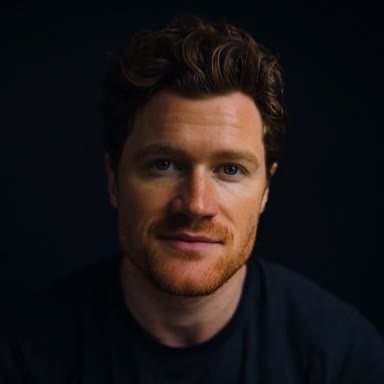
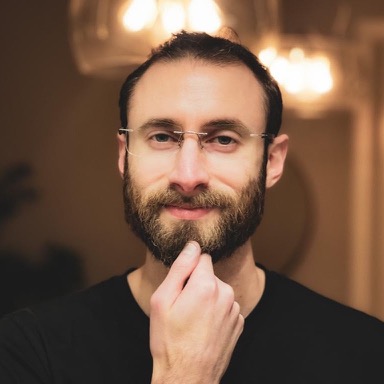
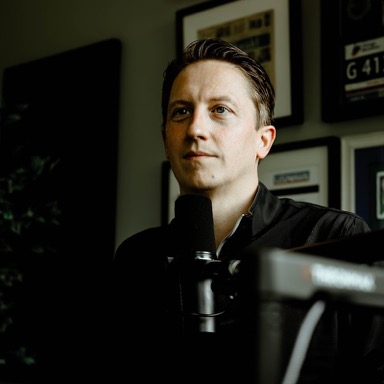
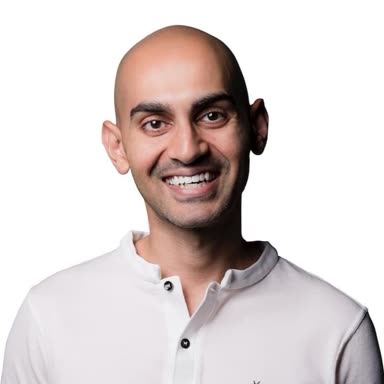
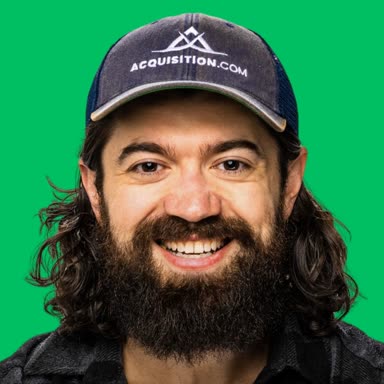
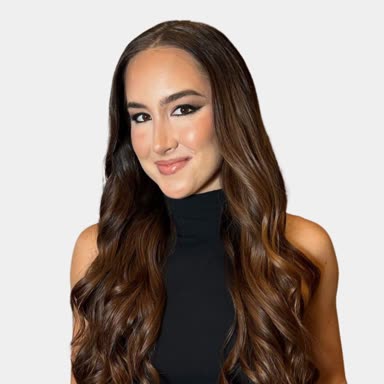
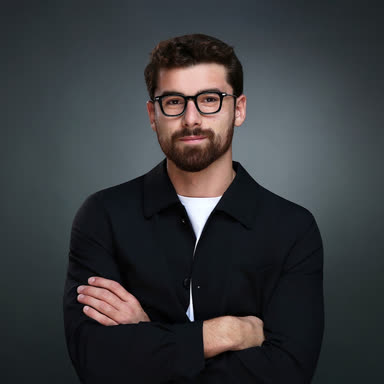
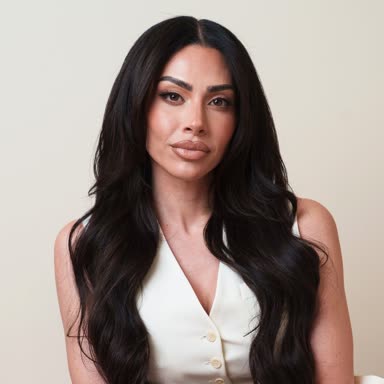
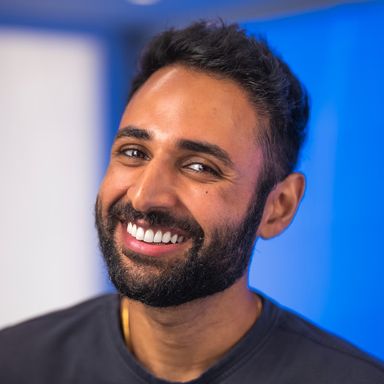
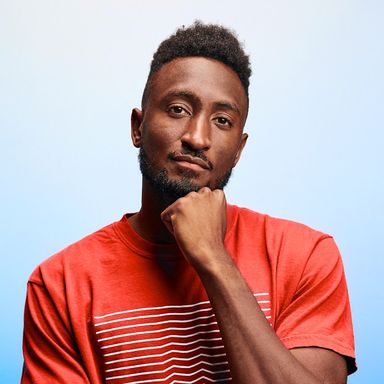
The top SEO influencers in 2026 are Edward Sturm, Alex Groberman, Matt Diamante, Caleb Ulku, and Cyrus Shepard. This list ranks 18 SEO influencers by median views across their recent posts, not by follower count. Each one was found by searching across hundreds of thousands of top-performing posts in the SEO niche.
Show me the top SEO influencers this month
Ask Klint in plain words
Examples of what you can ask Klint:
Show me the top SEO influencers this month. Klint returns 18 SEO influencers, ranked by median views.
Who teaches local SEO to small business owners? Klint returns 4 local SEO creators, on Instagram, YouTube, TikTok, and X.
Who writes about getting cited in ChatGPT and AI answers? Klint returns 3 AI search writers, all on X.
Which SEO voices don’t sell a product of their own? Klint returns 3 creators, with no course, agency, or tool of their own found.
Which hooks are working in SEO right now? Klint returns 3 hook patterns, across 109 breakout posts.
Join 1,000+ marketers who use Klint to find creators in their niche. Start free
Key takeaways
12 of the 18 are on X, 4 on Instagram, 1 on YouTube, and 1 on TikTok. The top median is a Reels account at 47.9K views, more than twice the best on X.
Followers say little here: 255K followers give Barry Schwartz a median of 3.9K views, while Alex Groberman reaches 20.9K from 22.9K.
15 of the 18 sell something of their own in search, such as an agency, a course, a tool, or a community, and 6 show a sponsored post in the last 90 days.
The list at a glance
All 18 are listed in rank order. Select a row to jump to the write-up.
The best SEO influencers aren’t simply the accounts with the most followers. X, Instagram, YouTube, and TikTok all show posts to people based on how the post performs individually, not just based on who follows the creator. As a result, a small or midsized account can reach more people than one several times its size.
That’s why we rank SEO influencers by median views of their posts (the average number of people a typical post reaches). As of November 2026, the five most watched are Edward Sturm, Alex Groberman, Matt Diamante, Caleb Ulku, and Cyrus Shepard.
The kinds of SEO creator
SEO news reporters: Same-day posts on Google updates, help-document changes, and tracking problems.
AI search and GEO writers: Studies and playbooks on how AI answers choose which sites to cite.
Local SEO teachers: Walk-throughs of map rankings and Google Business Profile for service businesses.
SEO YouTubers: Long tutorials and teardowns, often aimed at people who run an SEO agency.
Evidence on Google ranking signals: link attributes, help documents, opt-out experiments, and AI crawlers. Short takes sit beside surveys run through Zyppy.
Several posts a day, often one or two quotable lines over someone else’s news about Google and AI Overviews. Audits of sites hit by spam updates appear often.
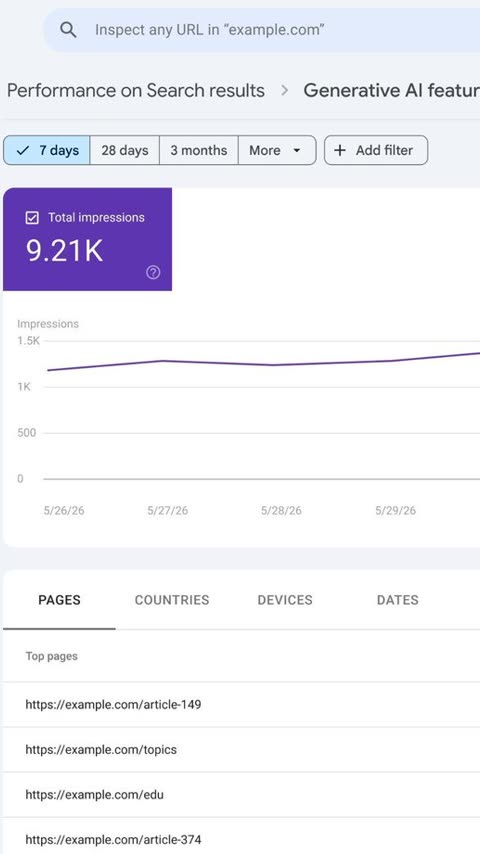
Annotated screenshots and short walk-throughs of changes in Google’s results and Search Console. News on SerpLens, the writer’s own SEO agent tool, appears now and then.
Followers
68K
Median views
4.3K
Engagement
1.1%
Posts a week
3.3
2 sponsored posts in the last 90 days, in SEO software.
A one-person news desk: Google and Bing updates, Search Console changes, and AI Overviews data, around ten posts a day. Most link to Search Engine Roundtable.
Curated SEO and AI-search news plus frameworks and checklists, numbered and full of links. SEOFOMO, Orainti, and Finchling, all the writer’s own, appear often.
Followers
182K
Median views
3.2K
Engagement
1.4%
Posts a week
13.8
No sponsored posts found in the last 90 days.
AI search playbooks
Playbooks on how ChatGPT and Google’s AI answers pick their sources, for marketers at companies.
Case studies on how ChatGPT, Google AI, and Perplexity choose sources, each with a study number or quoted guidance. Nearly every post links to one article.
Followers
22.9K
Median views
20.9K
Engagement
0.5%
Posts a week
14.5
1 sponsored post in the last 90 days, in AI video software.
Short talking-head videos arguing that AI answers reward clear brands over keyword pages, from the founder of Backlinko. Newsletter and founder stories make up the rest.
Followers
125K
Median views
3.6K
Engagement
1%
Posts a week
1.9
No sponsored posts found in the last 90 days.
One idea per Reel
All three teach on Instagram, usually one tactic or one Google finding in each short video.
Twice-daily explainers on low-volume keywords and being named by AI, mixed with general business advice. The agency NP Digital, co-founded by the account’s owner, comes up in passing.
Followers
680K
Median views
7.1K
Engagement
1.5%
Posts a week
7.5
3 sponsored posts in the last 90 days, in marketing software.
Voice-over Reels on running SEO jobs through Claude and ChatGPT: audits, backlinks, parasite SEO, and internal links. Several plug Distribb, the AI SEO software in the bio.
Followers
12.7K
Median views
3.2K
Engagement
3.4%
Posts a week
4
1 sponsored post in the last 90 days, in AI video tools.
Local SEO for business owners
Map rankings and Google Business Profile, taught to service businesses and to the agencies that serve them.
Fast talking-head Reels that test a Google tactic or report another business’s SEO numbers. Most end by asking viewers to comment a keyword for a direct message.
Followers
404K
Median views
18K
Engagement
1.4%
Posts a week
4.7
1 sponsored post in the last 90 days, in local SEO tools.
Long teardowns of real map packs and replies to other marketers’ SEO claims, usually ending on a fix a business can copy. A paid community and a live class are in every description.
Many posts a day: one-line claims over a meme clip, each sending readers to one article on running SEO with Grok Bot. Agency case studies and a free course come between them.
Followers
62.7K
Median views
5.1K
Engagement
0.6%
Posts a week
31.3
86 sponsored posts in the last 90 days, in AI assistants.
Screen-recorded walk-throughs of Search Console, Google Business Profile, and AI-search fixes, each promising one fast, free tactic. A new account from a consultant who sells audits.
Followers
697
Median views
3.8K
Engagement
3.4%
Posts a week
2.8
No sponsored posts found in the last 90 days.
Site owners who show the numbers
Traffic and income screenshots from their own sites, or teardowns of other people’s sites.
Teardowns of young, low-authority sites that pull large organic traffic, with keyword lists and how each site earns. Builds of the writer’s own keyword tools appear between them.
Followers
14.3K
Median views
3.8K
Engagement
0.9%
Posts a week
2.1
No sponsored posts found in the last 90 days.
What’s working in SEO content this month
We analyzed the 963 posts these 18 creators published on X, Instagram, YouTube, and TikTok in the last 30 days. Of those, 109 beat their creator’s usual views by 3× or more.
Here is how this month’s breakouts open, read from what each post says in its first seconds, or from its caption or first line when nobody speaks.
1. The Google finding in the first line
“Google is now literally telling businesses specifically how to get traffic from AI Search.”
102 of this month’s 109 breakouts have nobody speaking, because SEO on X is mostly written. 47 of them come from one account that repeats a pitch for an AI agent, so read that number with care.
The rest tend to put something Google did or said in the first line: a changed help document, a delayed report, a new rule. “ChatGPT links aren’t passing UTM parameters and tracking anymore” reached 12 times its writer’s usual views.
This audience acts on news that affects its own reports, so a sponsored post can open on the finding and bring in the product after it.
2. The flat statement about how search works
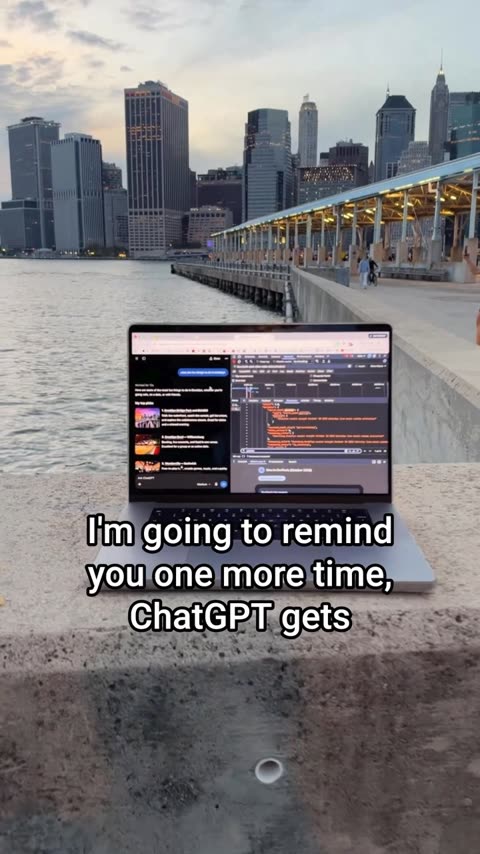
“I’m going to remind you one more time, ChatGPT gets its answers from search engines.”
Among the breakouts with speech, three open on a claim the viewer can test, and none of the usual posts in the sample do. Those usual posts name a topic or a method first.
One creator supplies two of the three, and those two are about AI agents and ad creative, not SEO. Edward Sturm’s Reel is the one that teaches search: it says the claim, then shows how to see the searches ChatGPT runs.
3. The searcher’s own question
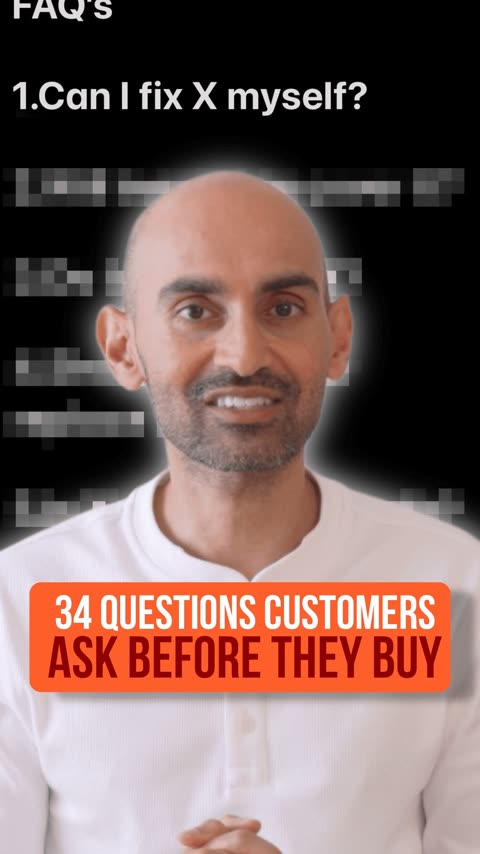
“How much does X cost?”
This Reel opens by reading out the questions customers type into Google, and its caption says most websites cover only a few of them. The opening shows the lesson before the creator explains it.
It is one post from one creator, so treat it as a format to test. It suits an SEO tool well, because keyword data is full of questions like these.
This month’s 3 biggest breakout posts
Sarvesh Shrivastava: “If the algorithm showed you this, don’t bookmark it” reached 463K views, 90.5× their usual.
Jake Ward: “I’m begging you: - Pick ONE Google AI Overview” reached 141K views, 20.1× their usual.
Cyrus Shepard: “Incredible: Not only is Google working to block AI crawlers, but @nozzleio uncovered evidence that Google is deliberately serving FAKE search results to scrapers” reached 150K views, 20× their usual.
SEO influencer benchmarks by account size
This table shows what the SEO influencers on this list do at each size on X, Instagram, YouTube, and TikTok. Use it to judge whether a creator’s numbers are strong for their tier.
Tier
Followers
Median views
Engagement
Posts a week
Sponsored posts
Micro
Under 100K
5K
1%
3.6
11%
Mid
Over 100K
5.9K
1.4%
7
0%
The figures are medians across these 18 accounts, from each account’s recent posts. “Sponsored posts” is the share of posts in the 90 days to Nov 2, 2026, that carry a paid-partnership or paid-promotion label or a stated sponsor, or are part of a brand campaign.
How to choose an SEO creator
If you market an SEO tool, an agency, or a software product, you want a creator whose followers would buy it and whose advice you can stand behind.
1. Decide whether you want SEOs or business owners
A rank tracker needs people who do SEO for a living, and they read the news writers on X. A local service or a simple website tool needs owners, and they watch short lessons on Google Maps. Follower counts won’t show you the difference, but the comments will: look for job titles or for owners asking about their own shop.
2. Ask whether their own offer competes with you
Agencies, tools, and courses fill these feeds. Your sponsored post could sit right beside a pitch for a rival product that the creator owns, so read the bio and the links first. Someone employed by a software company may not be able to promote yours at all.
3. Read the tactics against Google’s rules
Some popular SEO content teaches methods that Google’s spam policies name, such as link spam and expired domain abuse. A brand beside that advice takes on its risk. Read the creator’s last 20 posts before you decide, and ask your own SEO lead to read them too.
4. Ask what an AI search claim rests on
Advice on AI search changes quickly and is hard to test. Google’s guidance on AI features says there are no additional requirements to appear in them, so a creator who sells a special method should be able to show the data behind it. Prefer creators who show their sample, their dates, and what failed.
5. Keep X views and Reels views apart
A view on X and a view on a Reel are not the same attention. Compare an X writer with other X writers, and a Reels account with other Reels accounts, then ask for clicks from past posts if you sell through a link.
How we built this SEO influencer list
We identified and ranked these creators by searching hundreds of thousands of top-performing SEO posts across X, Instagram, YouTube, and TikTok with Klint.
We rank by median views across each creator’s recent posts, so one viral post can’t lift an account up the list. Creators from any country qualify if they post in English on their own account and at least half of their recent posts teach SEO or AI search.
To get this list or a similar one for yourself, describe the creators you’re looking for in the Klint web app, or paste this prompt into any AI agent connected to Klint:
Prompt
Find the top 18 SEO influencers on X, Instagram, YouTube, and TikTok who teach SEO or AI search. Rank by median views across their last 30 posts or last 90 days, whichever is lower. Show followers, engagement, and best post.Find the top 18 SEO influencers on X, Instagram, YouTube, and TikTok who teach SEO or AI search. Rank by median views across their last 30 posts or last 90 days, whichever is lower. Show followers, engagement, and best post.
Klint is trusted by 1,000+ marketers for AI-native influencer marketing.
Questions about SEO influencers
Who are the top SEO influencers right now?
As of November 2026 the top five SEO influencers by median views are Edward Sturm, Alex Groberman, Matt Diamante, Caleb Ulku, and Cyrus Shepard.
Who is the most followed SEO influencer?
On this list it is Neil Patel, with 679,565 followers on Instagram. Its Reels usually get 7.1K views.
Which platforms does this list cover?
X, Instagram, YouTube, and TikTok, with most of the list on X. Each person appears once, under the platform where their posts get the most views. LinkedIn, where many SEOs also post, is not part of this list.
Why aren’t Marie Haynes, Rand Fishkin, or John Mueller on this list?
The list needs at least half of a creator’s recent posts to teach SEO or AI search, and a steady flow of their own posts. Marie Haynes’s recent posts cover general AI news as often as search, and Rand Fishkin’s are mostly about audience research and marketing. John Mueller’s posts are almost all replies, which this list does not count.
How do I find SEO influencers to work with?
Start with the people your own SEO team already reads, then look at who gets quoted in the replies to Google news on X. Klint can shorten that step: ask it for “SEO creators on TikTok who teach local businesses” and compare the results by median views.
How much do SEO influencers charge?
Prices depend on the platform, the post format, and how closely your product competes with what the creator sells. Most SEO deals are a paid post, a newsletter slot, or a podcast mention, and many creators also take affiliate deals on tools. Few publish a rate, so ask for one along with clicks from past posts.
Can a creator ask to be removed?
Yes. Any creator can ask to be taken off Klint’s lists, and the request applies to every page they would otherwise appear on.
David Roberts is the co-founder and CEO of Klint. He previously founded a consumer tax software company and grew it to more than a million users. He now builds AI-native marketing systems and writes about what’s working on social media for more than 50,000 followers across X, LinkedIn, and Instagram.
Lucas Walter is the co-founder and CTO of Klint. He has spent a decade building large-scale distributed software, including as CTO of a consumer tax software company that served more than a million users. He now applies that experience to AI, building the systems behind AI-native marketing.