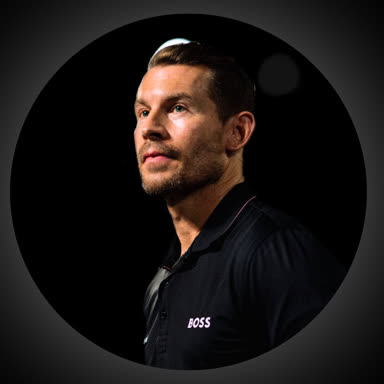
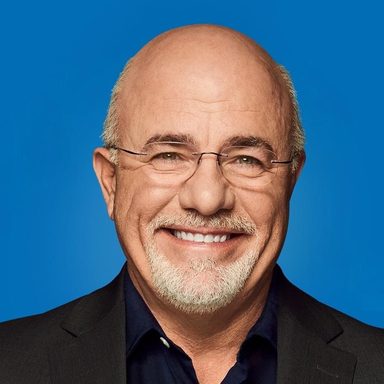
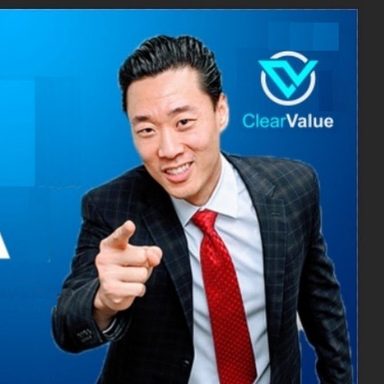
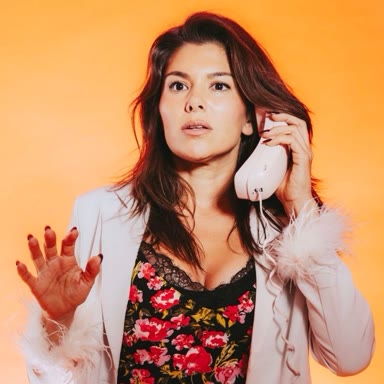
The top business influencers in 2026 are Simon Squibb, Alex Hormozi, Codie Sanchez, Iman Gadzhi, and Leila Hormozi. This list ranks 18 business influencers by median views across their recent videos, not by follower count. Each one was found by searching across hundreds of thousands of top-performing posts in the business niche.
Show me the top business influencers this month
Ask Klint in plain words
Examples of what you can ask Klint:
Show me the top business influencers this month. Klint returns 18 creators, ranked by median views.
Small-business owners who post about running their own business. Klint returns 5 owners, filming laundromats, vending routes, and staff.
Smaller business accounts that still pull 50K views a video. Klint returns 5 creators, each with a median over 50K.
Which business creators already take sponsors? Klint returns 8 creators, with 23 sponsored posts in 90 days.
Which hooks are working in business content right now? Klint returns 3 hook patterns, across 50 breakout posts.
Join 1,000+ marketers who use Klint to find creators in their niche. Start free
Key takeaways
11 of the 18 are listed under Instagram, 4 under TikTok, and 3 under YouTube. All 9 Instagram creators who also have a TikTok account over 100K followers get more views per video on Instagram, and for 5 of them the gap is more than 7 times.
15 of the 18 have a product of their own to sell: a course or a paid community, coaching, a book, a software tool, or a guide to their side hustle.
8 of the 18 ran a sponsored post in the last 90 days on the platform they are listed under, and 6 of those 8 were paid by companies that sell to business owners: business banking, print-on-demand, AI software, app-building software, web hosting, and laundry equipment.
The list at a glance
All 18 are listed in rank order. Select a row to jump to the write-up.
The best business influencers aren’t simply the accounts with the most followers. Instagram, TikTok, and YouTube all show videos to people based on how the video performs individually, not just based on who follows the creator. As a result, a small or midsized account can reach more people than one several times its size.
That’s why we rank business influencers by median views of their videos (the average number of people a typical video reaches). As of October 2026, the five most watched are Simon Squibb, Alex Hormozi, Codie Sanchez, Iman Gadzhi, and Leila Hormozi.
Business creators, by what they post
Entrepreneur influencers on Instagram: Founders and investors who cut one lesson on pricing, hiring, or selling into each Reel, often from a podcast set.
Side hustle creators: Step-by-step tutorials for earning outside a job, from affiliate links to clipping and vending machines.
Small business owners on TikTok: Owners who film the laundromat, the route, or the staff problem, with the numbers on screen.
Business YouTubers: Longer tutorials and narrated histories of how well-known companies rose or fell.
Founder interviewers: Creators who stop founders, stall owners, and strangers on the street to ask how the business works and what it earns.
The 18 business influencers to know
Four groups: founders who teach, owners who film their own business, side-hustle teachers, and storytellers. The number beside each name is the creator’s overall rank.
Founders who teach from their own companies
Each has built, scaled, or sold a company and posts the lessons. Most point viewers to something of their own.
Short clips from a studio or a podcast set, each built on one rule for running a company: whom to sell to, what to charge, whom to hire. Most end with an offer of a free scaling roadmap to anyone who comments a word.
Founder lessons from building a restaurant franchise of more than 70 locations, on leading staff, competitors, and copycats, told to camera and in carousels. Personal posts and a few on relationships and status fill the rest.
Short lessons and stories from building and selling a real estate brokerage, told to camera, mixed with promotions for a TV show where founders pitch investors. Home renovation and family Reels turn up between them.
Followers
1.4M
Median views
88.4K
Engagement
1.8%
Posts a week
5.6
2 sponsored posts in the last 90 days, in identity protection and education.
Several short clips a day, each on one habit of a chief executive: delegating, hiring, running meetings, putting AI to work in operations. Nearly every clip offers a workbook or a template in return for a comment.
Clips on founders and on how businesses make their money, such as why shops sell some goods at a loss, often filmed on a stage or in an interview. The feed also promotes the book Underdogs.
Followers
2.4M
Median views
67.1K
Engagement
5.2%
Posts a week
4.7
No sponsored posts found in the last 90 days.
Owners filming their own small business
Laundromats, vending routes, and staff problems, shown with the money. The closest audience to an owner buying business tools.
Reels about buying, hiring for, and owning small, unglamorous businesses, told to camera or cut from interviews with well-known founders. Carousels on the same owner themes point to a workshop and a podcast.
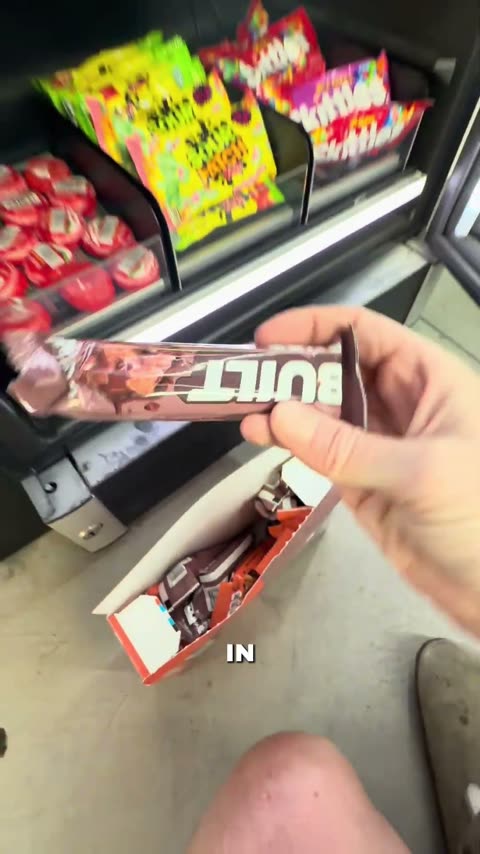
First-person logs from a young operator’s snack and vending-machine route: restocking smart coolers, buying machines, adding up what a restock costs. A side series follows a catering business started with a parent.
First-person Shorts from a vending-machine route and a short-term rental: restocks, sales, and repairs before guests arrive. The small wins and the chores both make it on camera.
Subscribers
221K
Median views
97.5K
Engagement
3.9%
Posts a week
5.8
1 sponsored post in the last 90 days, in print-on-demand.
Blunt to-camera takes from an employer on how owners should treat staff: pay for results, give time back, stop policing the clock. Endings invite other owners to argue.
Followers
198K
Median views
73.4K
Engagement
7.1%
Posts a week
7
1 sponsored post in the last 90 days, in app-building software.
First-person money logs from a laundromat: what the machines took in, what the equipment cost, what a month of bills adds up to. Paid posts for a laundry-equipment maker run between them.
Followers
2.1M
Median views
52.2K
Engagement
3.2%
Posts a week
1.2
13 sponsored posts in the last 90 days, in laundry equipment.
Side hustles, step by step
Tutorials for earning outside a job. All three sell a guide, a tool, or a course of their own.
Long talking-head tutorials on online business models, agency building, and AI side hustles, with occasional days in the life of running the company. Most videos point to a free live income challenge.
First-person Reels on clipping, a side hustle that pays people to repurpose other creators’ video clips, pitched as costing nothing to start. The posts lead to an AI clipping tool of the creator’s own.
Step-by-step tutorials for one side hustle: Amazon affiliate links promoted with free Pinterest traffic. Screenshots of the creator’s own commissions open many of them.
Followers
89.6K
Median views
60.9K
Engagement
3.6%
Posts a week
0.9
No sponsored posts found in the last 90 days.
Business ideas and company stories
Other people’s businesses, told as stories: a stranger’s dream, a maker’s product, a company’s rise and fall.
Street encounters that start with one question to a stranger, what their dream is, and then follow the attempt to fund or build it. Cut together with the story of the founder’s own coffee brand.
Followers
6.9M
Median views
419K
Engagement
2.1%
Posts a week
6.1
3 sponsored posts in the last 90 days, in business banking and fragrance.
Narrated case studies, about twelve minutes each, on why well-known companies rose or fell, from Fazoli’s to Porsche. No face on camera: a voiceover runs over archive footage.
Subscribers
1.8M
Median views
166K
Engagement
4.7%
Posts a week
1.2
1 sponsored post in the last 90 days, in banking apps.
One small-business idea in each Reel, from vending and laundromats to party rentals and storage, usually led by a dollar figure. Most clips come from a podcast about business ideas.
Followers
1.5M
Median views
87.5K
Engagement
0.8%
Posts a week
5.6
1 sponsored post in the last 90 days, in AI software.
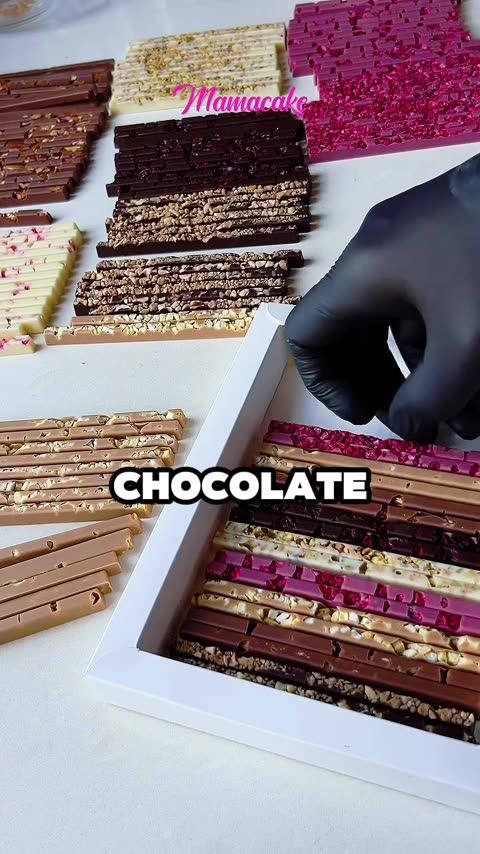
Voiceover clips on how one small maker turned a cheap product into a business: chocolate bars, claw clips, cheesecake cups, flip-flops. The captions lead with what the business earns.
Followers
349K
Median views
83.1K
Engagement
4.2%
Posts a week
7
1 sponsored post in the last 90 days, in web hosting.
What’s working in business content this month
We analyzed the 338 posts these 18 creators published on Instagram, TikTok, and YouTube in the last 30 days. Of those, 50 beat their creator’s usual views by 3× or more.
Here is how this month’s breakouts open, read from what each video says in its first seconds, or from its caption when nobody speaks.
1. A rule other owners will argue with
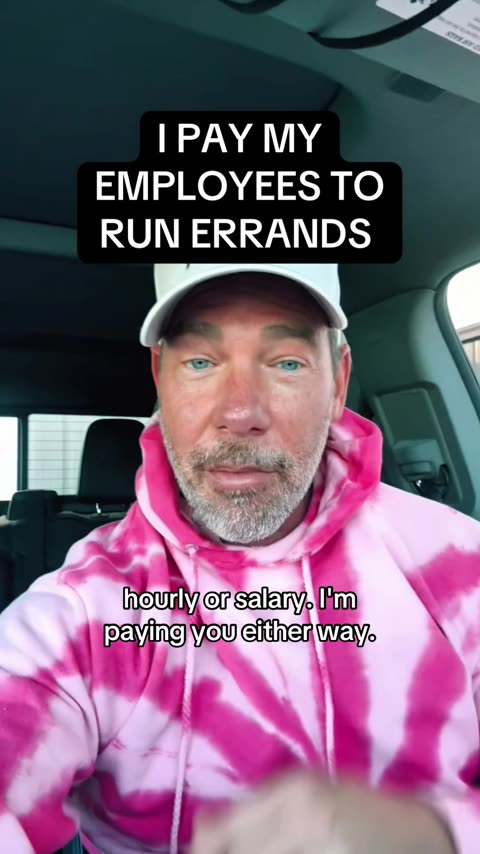
“I don’t care if my employees run errands on the clock, hourly or salary.”
The video opens on a stance stated as fact: what one owner lets staff do, whom to sell to, what each money milestone takes. Across these creators it is as common in their usual posts as in their breakouts, so it is a habit of the niche more than a cause.
Christopher Beecham shows what can change inside it. His usual videos open by naming what other owners get wrong; his five breakouts open on his own rule, or on a question to owners, and all of them are about staff: pay, hours, managers, a Christmas party paid for in place of raises.
For payroll, scheduling, or HR software, a creator whose rules are about staff speaks to the owners who buy it.
2. Two figures side by side
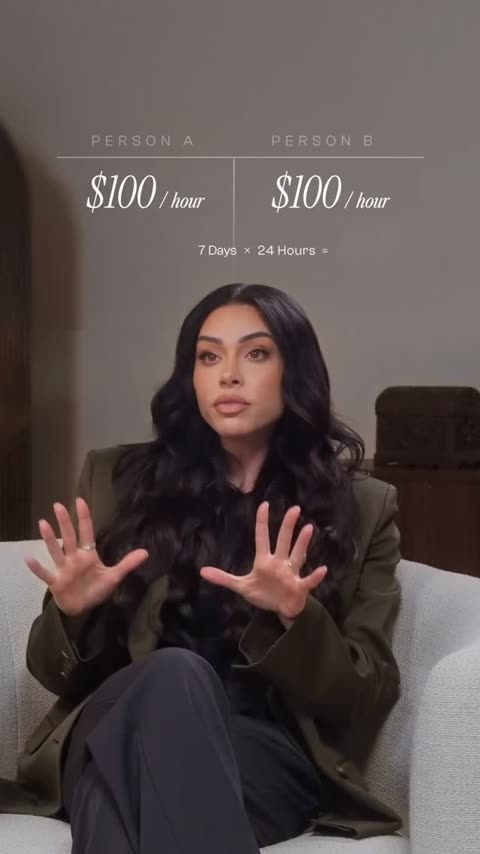
“So two people make $100 per hour.”
The first line puts two numbers next to each other and leaves the gap for the viewer to work out: two people at the same hourly rate, shakes bought for $26 and sold at $5 each, a $1 pot of plaster turned into a party business.
Half of these come from one account, Nikko Montanez, whose stories about other people’s small businesses often start from what the material cost. The format suits a product with a clear figure on each side: a fee saved, a margin, an hour given back.
3. A method promised in the first line
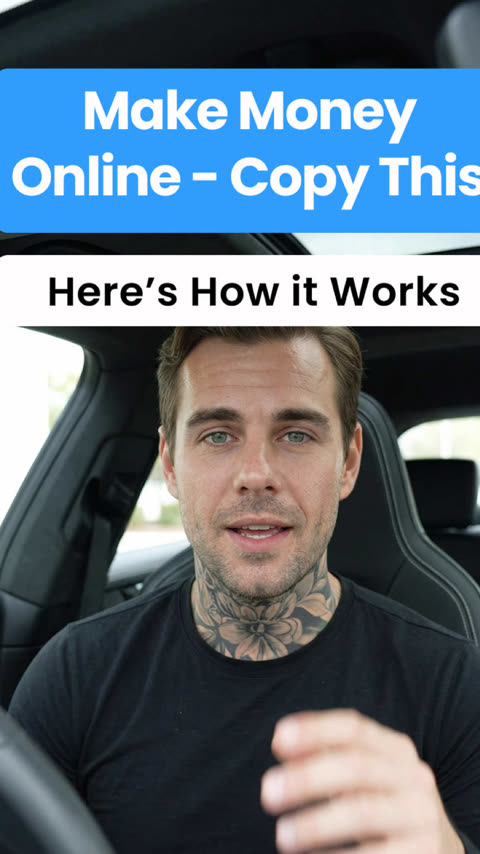
“I’m gonna show you step by step how to make money online using a strategy that’s been working really well for me.”
The first sentence promises the viewer a method: four skills a chief executive needs, a free way to earn online, a way to turn supermarket snacks into gift bouquets from home.
Dan Martell made two of the four, and callmekevy opens his usual tutorials the same way, so the promise is a habit of these accounts more than a trick. The breakouts promise one small, specific result and show it in under two minutes.
This month’s 3 biggest breakout videos
Kellan Henneberry: “Guess how much I owe my clippers for this month” reached 2M views, 26.9× their usual.
Nikko Montanez: “this woman built a profitable chocolate business by doing one thing differently” reached 2.1M views, 25.3× their usual.
Emmeworks: “This year so far, we’ve sold over 600 cheesesteaks out of this one vending machine right here” reached 2M views, 20.1× their usual.
Business benchmarks by account size
This table shows what the business accounts on this list do at each size on Instagram, TikTok, and YouTube. Use it to judge whether a creator’s numbers are strong for their tier.
Tier
Followers
Median views
Engagement
Posts a week
Sponsored posts
Mid
Under 500K
83.1K
3.9%
3.3
2%
Macro
500K to 2M
127K
2.4%
5.6
4%
Mega
Over 2M
274K
2.6%
4.7
7%
The figures are medians across these 18 accounts, from each account’s recent videos. “Sponsored posts” is the share of posts in the 90 days to Oct 23, 2026, that carry a paid-partnership or paid-promotion label or a stated sponsor, or are part of a brand campaign.
How to choose a business creator
If you sell a product such as banking, payments, software, or equipment to people who run a business, these checks matter more than the size of the account.
1. Ask what the creator’s own funnel sells
Most business creators run their own funnel: a free guide for anyone who comments a word, then a course, a community, or coaching. Ask where your product would sit in that funnel, and whether it would share a post with their own offer.
2. Match the viewer’s stage to your product
Side-hustle tutorials reach people who have not started yet. Founder lessons reach people who are hiring. Owner diaries reach people running one shop or one route. A business bank account, a hiring tool, and an e-commerce plan each fit one of those audiences, not all three.
3. Read the income claims before your name sits next to them
Many posts in this niche open with what the creator earned. The FTC’s guidance on multi-level marketing says an earnings claim should reflect what a typical person earns, also on social media, and that “results not typical” is not enough. Read a creator’s recent captions with that test in mind.
4. Discount the comments a post asked for
“Comment SCALE and I’ll send you the workbook” fills a post with one-word comments. Compare a creator’s engagement on posts with and without that request before you compare creators on it.
5. Compare their accounts before you pick a platform
One creator can get many times more views per video on one platform than on another. Ask for the median views of the last month on each account before you decide where the campaign runs.
How we built this business influencer list
We identified and ranked these creators by searching hundreds of thousands of top-performing business posts across Instagram, TikTok, and YouTube with Klint.
We rank by median views across each creator’s recent videos, so one viral post can’t lift an account up the list. Creators from any country qualify if they post in English and at least half of their recent posts are about starting, running, or growing a business.
To get this list or a similar one for yourself, describe the creators you’re looking for in the Klint web app, or paste this prompt into any AI agent connected to Klint:
Prompt
Find the top 18 business influencers on Instagram, TikTok, and YouTube who post about building a business or side hustles, ranked by median views across their last 30 videos or their last 90 days, whichever is lower.Find the top 18 business influencers on Instagram, TikTok, and YouTube who post about building a business or side hustles, ranked by median views across their last 30 videos or their last 90 days, whichever is lower.
Klint is trusted by 1,000+ marketers for AI-native influencer marketing.
Questions about business influencers
Who are the top business influencers right now?
As of October 2026 the top five business influencers by median views are Simon Squibb, Alex Hormozi, Codie Sanchez, Iman Gadzhi, and Leila Hormozi.
Who is a business influencer?
A creator whose posts are mostly about starting, running, or growing a business, from side hustles to companies with hundreds of staff. A company executive whose posts mainly advertise their own company is not counted here, and neither is a creator whose main subject is investing, real estate, or selling to other businesses.
Which platforms does this list cover?
Instagram, TikTok, and YouTube, with 11 creators listed under Instagram, 4 under TikTok, and 3 under YouTube. Someone who posts on two or three of them is listed under the account whose recent videos draw the most viewers.
How do I find an influencer for my business?
Search Instagram and TikTok for the problems your product solves, such as a first hire, pricing, or a slow month, and note the creators whose answers your customers save and share. With Klint the same search is one request, for example: owners on TikTok who film their own laundromat or vending route, under 500K followers.
How much do business influencers charge?
It depends on the platform, the size of the audience, and how much of the video is about your product: a mention inside a lesson costs less than a whole video. Most creators here also sell their own course, coaching, or guide, so expect them to ask how your product will sit next to their own offer.
Why aren’t Gary Vaynerchuk, Steven Bartlett, or Grant Cardone on the list?
All three were measured, and fewer than half of their recent posts are about building a business. Gary Vaynerchuk’s are mostly motivation, Steven Bartlett’s podcast clips are mostly health, psychology, and current events, and Grant Cardone’s are mostly real estate and personal money.
Can a creator ask to be removed?
Yes. Any creator can ask to be taken off Klint’s lists, and the request applies to every page they would otherwise appear on.
David Roberts is the co-founder and CEO of Klint. He previously founded a consumer tax software company and grew it to more than a million users. He now builds AI-native marketing systems and writes about what’s working on social media for more than 50,000 followers across X, LinkedIn, and Instagram.
Lucas Walter is the co-founder and CTO of Klint. He has spent a decade building large-scale distributed software, including as CTO of a consumer tax software company that served more than a million users. He now applies that experience to AI, building the systems behind AI-native marketing.