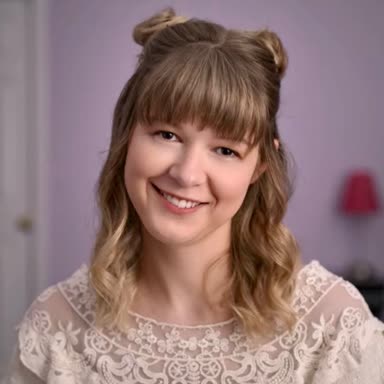
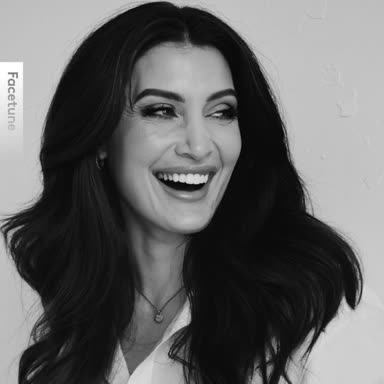
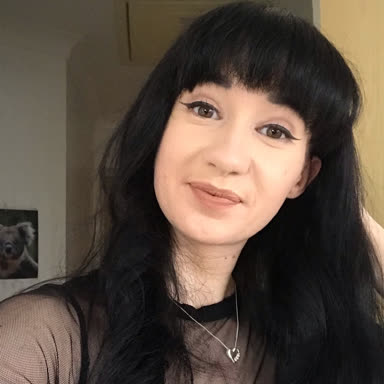
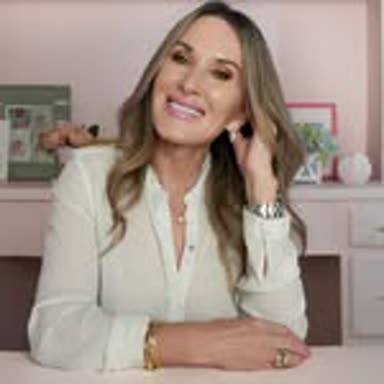
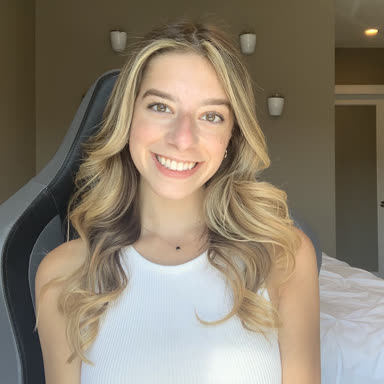
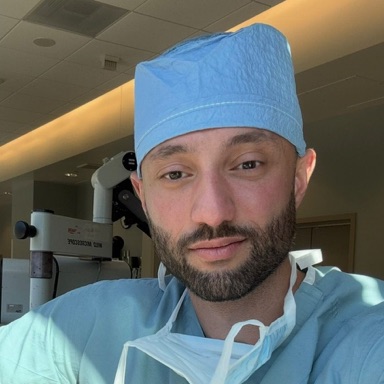
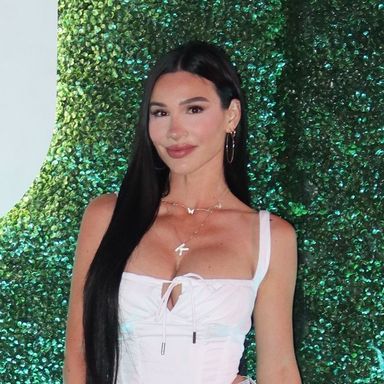
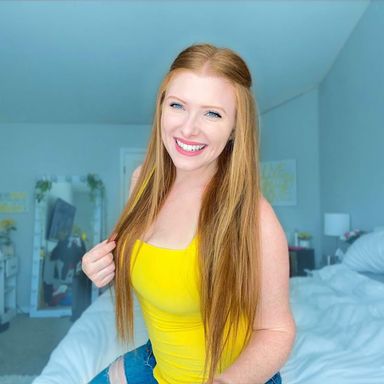
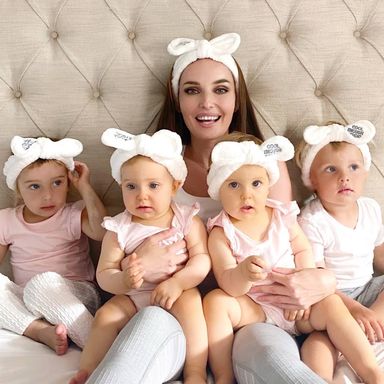
The top mental health influencers in 2026 are Dr. Nicole LePera, Kaelynn Partlow, Dr Julie Smith, Rich & Rox Pink, and Nicole Hunter. This list ranks 27 mental health influencers by median views across their recent videos, not by follower count. Each one was found by searching across hundreds of thousands of top-performing posts in the mental health niche.
Show me the top mental health influencers this month
Ask Klint in plain words
Examples of what you can ask Klint:
Show me the top mental health influencers this month. Klint returns 27 mental health influencers, ranked by median views.
Find therapists who post Reels for a therapy app. Klint returns 6 therapists on Instagram, with their sponsored history.
Who talks about ADHD and autism from experience? Klint returns 5 creators, living with ADHD or autism.
Who has no recent brand deals? Klint returns 17 creators, none found in the last 90 days.
Which hooks are working in mental health content right now? Klint returns 3 hook patterns, across 39 breakout posts.
Join 1,000+ marketers who use Klint to find creators in their niche. Start free
Key takeaways
18 of the 27 state a role in therapy, psychology, or medicine, yet 3 of the top 5 speak from lived experience and state no clinical license.
We found no sponsored post in 90 days for 17 of the 27, and only 5 promoted a health product or service.
20 of the 27 get their best median on Instagram, 6 on YouTube, and 1 on TikTok. The Instagram group includes 2 with more than 1 million TikTok followers and far fewer views there.
The list at a glance
All 27 are listed in rank order. Select a row to jump to the write-up.
The best mental health influencers aren’t simply the accounts with the most followers. Instagram, YouTube, and TikTok all show videos to people based on how the video performs individually, not just based on who follows the creator. As a result, a small or midsized account can reach more people than one several times its size.
That’s why we rank mental health influencers by median views of their videos (the average number of people a typical video reaches). As of November 2026, the five most watched are Dr. Nicole LePera, Kaelynn Partlow, Dr Julie Smith, Rich & Rox Pink, and Nicole Hunter.
The kinds of mental health creators
Therapist influencers: Working therapists who turn one idea from the therapy room into a list, a sketch, or a guided exercise.
Psychiatrists and psychologists: Doctors who explain a condition, a medication question, or a pattern in relationships.
ADHD and autism creators: Adults who show daily life with ADHD or autism, often through comedy or plain how-to advice.
Trauma and grief creators: People who speak from what they survived, usually through a personal story or a named idea.
Mental health YouTubers: Long lessons and video essays that viewers often return to, built around one skill or theory.
The 27 mental health influencers to know
Grouped by what stands behind the advice: a therapy practice, a doctorate, or lived experience. The number beside each name is the creator’s overall rank.
Therapists and counselors
Working therapists and counselors. The first place to look when a product needs a clinician’s voice.
Reels that walk the viewer through a breathing, grounding, or attention exercise, then ask how it felt. A licensed therapist who also promotes a novel and a regulation app.
Single-shot Reels and text carousels that turn one line about identity or a relationship over. Most of the feed is carousels, so Reels are rare and well watched.
Talking-head lists titled by number, such as “4 Signs” and “5 Ways,” on self-criticism, boundaries, attachment, and depression. A smaller run covers raising confident children.
Stitch reactions to clips and news, plus counselor lists on dating, family cutoff, and accountability. Celebrity and internet drama sits beside the advice.
Followers
1.4M
Median views
113K
Engagement
3.7%
Posts a week
6.3
1 sponsored post in the last 90 days, in sexual wellness products.
Chaptered breakdowns of relationships from a licensed marriage and family therapist, often built on dating-show clips. Projection, limerence, and why people stay.
Subscribers
306K
Median views
63.2K
Engagement
4.4%
Videos a week
0.7
5 sponsored videos in the last 90 days, in health apps, online classes, jewelry, tablet accessories, and clothing.
Reels and quote cards that state a boundary in one line, then unpack it. Family roles, high-functioning distress, and what to expect from relationships.
Followers
1.8M
Median views
51.3K
Engagement
3.9%
Posts a week
0.7
2 sponsored posts in the last 90 days, in a prescription migraine treatment and air travel.
To-camera lessons from a licensed marriage and family therapist, often with slides or diagrams, plus short clips of the same material. Anxiety, trauma, and emotional regulation as skills to practice.
Subscribers
2.6M
Median views
46.5K
Engagement
4.7%
Videos a week
0.5
No sponsored videos found in the last 90 days.
Psychologists
Psychology explained to camera for large followings. Confirm each title before a health claim goes near it.
Talking Reels that name one emotional pattern, such as avoidant attachment or functional freeze, then explain it plainly. Text-led prompts and short body-based practices fill the gaps.
To-camera tip lists from a clinical psychologist, often opening on a pointing emoji and ending on the most important item. Covers low mood, loneliness, and loss as well as everyday anxiety.
Followers
2.2M
Median views
299K
Engagement
3.1%
Posts a week
0.7
1 sponsored post in the last 90 days, in wearable tech.
Talking-head and voiceover explainers on anxiety, low mood, self-criticism, and emotion regulation, each with one named strategy. Technique first, not personal story.
Interview clips from a network show, mostly questioning survivors, attorneys, and other clinicians in a two-shot studio. Narcissistic and coercive relationships, gaslighting, and leaving them.
To-camera finger, lip, and breathing drills that open on a challenge and end in calm, plus list explainers on stress and anxiety. Self-described psychologist.
Followers
446K
Median views
47.5K
Engagement
4.2%
Posts a week
3.7
No sponsored posts found in the last 90 days.
Psychiatrists and brain scientists
Medical and research voices, often with clinics, books, or memberships to weigh against a partnership.
Short clinical explainers filmed at home or in a clinic, usually one question a Reel, with a strong ADHD and medication thread. Every few posts turn to diet, supplements, or the clinics.
Clipped podcast and reaction segments, usually with a host, comedian, or streamer across the call. ADHD, trauma, addiction, burnout, and therapy itself.
Direct-to-camera Reels from home or the car: ADHD symptom explainers and prompts that ask viewers if it happens to them. Captions carry the clinical detail.
“Worth the $$” product rundowns for ADHD, anxiety, depression, and insomnia, filmed at a desk. Family, farm, and practice-life Reels make up close to half the feed.
Followers
459K
Median views
38.3K
Engagement
3.5%
Posts a week
1.2
No sponsored posts found in the last 90 days.
ADHD and autism, from the inside
Creators who live with ADHD or autism. Everyday scenes and humor, and some of the most-watched accounts here.
Short how-to Reels for parents and professionals who support autistic people, one strategy each: sensory overload, transitions, demands. An autistic advocate and author, with travel and event posts between.
Followers
1M
Median views
484K
Engagement
6.7%
Posts a week
2.6
2 sponsored posts in the last 90 days, in tourism.
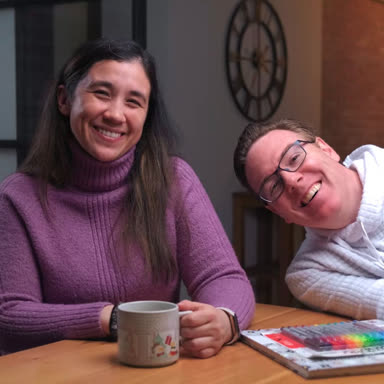
A married couple’s two-hander sketches: arguing, small talk, texting, and cleaning with ADHD and autism in the house. They built an app and sell books from the same audience.
Followers
1.4M
Median views
230K
Engagement
4.5%
Posts a week
4.7
2 sponsored posts in the last 90 days, in hearing protection.
Long video essays and Reddit-story reactions on autism, plus explainers on stimming and masking. Commentary from a late-diagnosed adult, not clinical instruction.
Subscribers
286K
Median views
107K
Engagement
6.8%
Videos a week
0.7
1 sponsored video in the last 90 days, in personal care.
List videos such as “6 Health Problems” and “7 Things Autistic People Do,” plus short clips on unmasking and sensory overload. A couple of former educators, one diagnosed late.
Subscribers
271K
Median views
40.9K
Engagement
6.2%
Videos a week
1.9
1 sponsored video in the last 90 days, in healthcare booking.
Near-daily POV Shorts about medication, masking, and everyday ADHD friction, with some hair and Halloween clips between them. A creator with ADHD and no clinical credential.
Subscribers
610K
Median views
36.2K
Engagement
3.9%
Videos a week
5.6
No sponsored videos found in the last 90 days.
Trauma, grief, and attachment
Recovery told firsthand or coached, with no clinical license stated. Often the most personal posts on the list.
Near-daily narrated Reels that name one psychology idea or role, such as the floater friend, then explain it to “you.” A podcast host who speaks from surviving trauma and has no clinical credential.
Near-daily monologues of seven to ten seconds, each one scene from widowhood: the laundry basket, the funeral home, an anniversary. An author and grief coach who was widowed at 35.
Long scripted essays to camera, often built as numbered points, on attachment styles, self-esteem, and repair. A coach with a master’s in attachment theory who draws on personal experience.
Subscribers
510K
Median views
41.5K
Engagement
5.2%
Videos a week
1.2
6 sponsored videos in the last 90 days, in meal kits, healthcare booking, and a meditation app.
Short list and voiceover videos on what anxious attachment feels like in the body and how to regulate it. Dating is often the setting. A somatic attachment coach with no clinical license stated.
Followers
144K
Median views
32.9K
Engagement
8.3%
Posts a week
1.6
No sponsored posts found in the last 90 days.
What’s working in mental health content this month
We analyzed the 340 posts these 27 creators published on Instagram, YouTube, and TikTok in the last 30 days. Of those, 39 beat their creator’s usual views by 3× or more.
Here is how this month’s breakouts open, read from what each video says in its first seconds, or from its caption when nobody speaks.
1. The test you can try on yourself
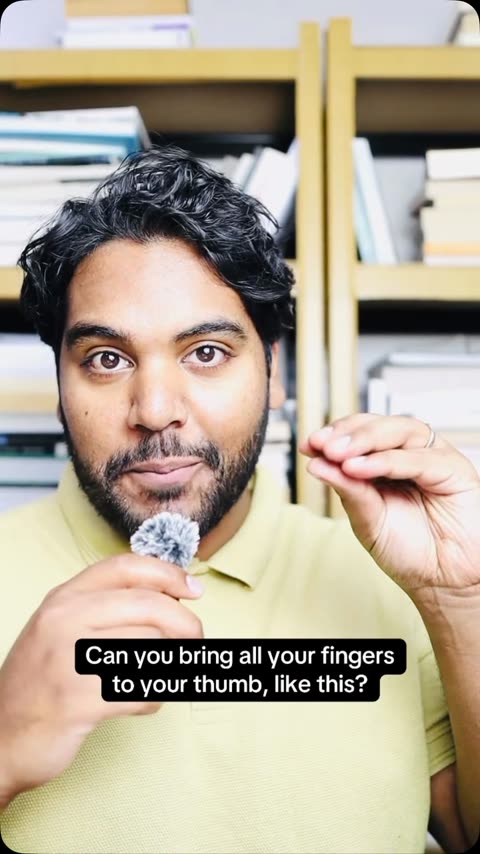
“Can you bring all your fingers to your thumb like this?”
These openings ask viewers to try something or to check themselves against a description. Nevern’s drills start with a physical request, and two of Auticate’s list videos start with a question about what the viewer has felt or noticed.
Nevern opens nearly every drill like this, so that is a format and not a change. Auticate’s usual posts open on a statement or a sketch, so there the question is the change. It suits a product that begins with a self-check, because the viewer has already taken part by the second sentence.
2. The therapist’s promise
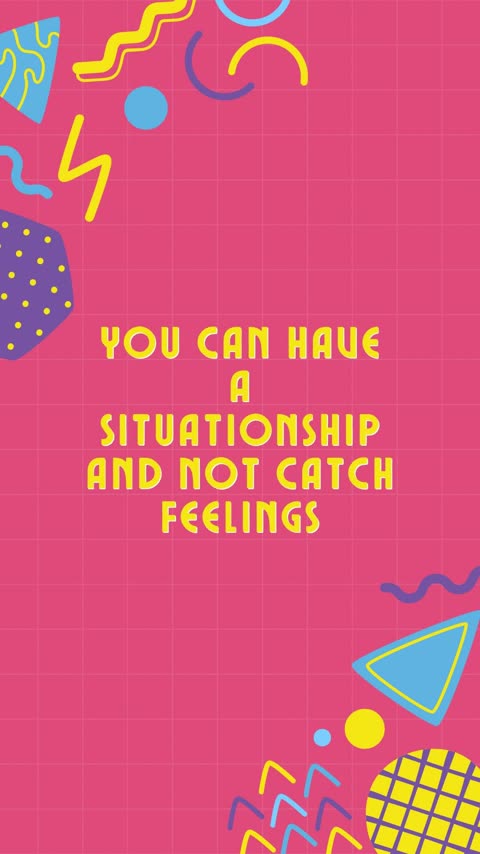
“You can have a situationship and not catch feelings, but you have got to do what I say.”
Only two breakouts opened on a promised result, one from Jeff Guenther and one from Jeffrey Meltzer. Each says within seconds who is talking: “therapist-approved” in one, “from a licensed therapist” in the other.
Meltzer’s usual openings name a problem, such as being too hard on yourself. The breakout that did something else offered a way to raise confident girls. With only two posts behind it, this is a lead and not a rule.
3. The flat claim
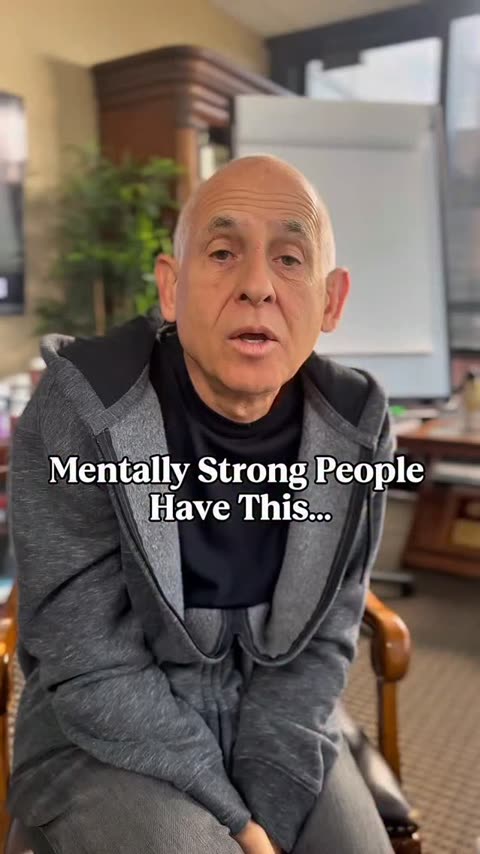
“Mentally strong people have self-discipline.”
These open by stating something as settled: what mentally strong people have, or that a term has become a buzzword. Daniel Amen’s account supplies two of the four.
A flat claim is easy to share and hard to walk back, which matters when a brand’s name sits beside it.
The largest set of breakouts has nobody speaking at all. Of those eight posts, five are Whitney Lyn Allen’s: a few quiet seconds of footage with the story of a loss in the caption.
This month’s 3 biggest breakout videos
Chris & Debby: “Have you ever felt like your heartbeat was actually a bass drum in a crowded club?” reached 1.6M views, 40× their usual.
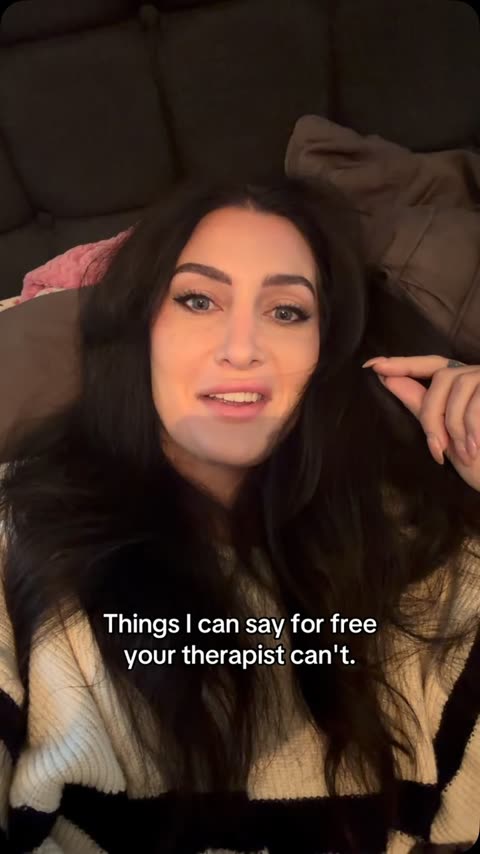
Nicole Hunter: “Things I can say for free, your therapist can’t” reached 4.3M views, 22.4× their usual.
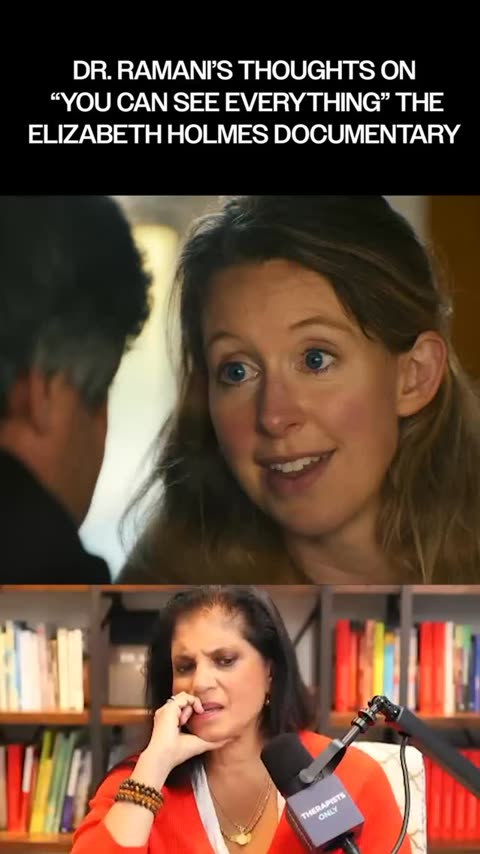
Dr. Ramani Durvasula: “Dr. Ramani reveals why the new documentary You Can See Everything left her feeling so disoriented and the surprising quality that can keep us stuck in narcissistic relationships” reached 1.6M views, 18.4× their usual.
Mental health benchmarks by account size
This table shows what the mental health accounts on this list do at each size on Instagram, YouTube, and TikTok. Use it to judge whether a creator’s numbers are strong for their tier.
Tier
Followers
Median views
Engagement
Posts a week
Sponsored posts
Mid
100K to 500K
63.2K
4.4%
1.9
4%
Macro
500K to 2M
101K
3.9%
2.3
3%
Mega
Over 2M
242K
2.5%
1.6
1%
The figures are medians across these 27 accounts, from each account’s recent videos. “Sponsored posts” is the share of posts in the 90 days to Nov 2, 2026, that carry a paid-partnership or paid-promotion label or a stated sponsor, or are part of a brand campaign.
How to choose a mental health creator
If you market a therapy app, a publisher’s list, or a health brand, the question is whose word your reviewers and customers will accept.
1. Read the credential as written
Bios say therapist, psychologist, and coach, and those words do not carry the same training. Ask for the license type and the state, then look it up with the licensing board. If a creator speaks from lived experience, say that in the brief and do not imply a clinical role.
2. Settle the claims before the brief
Decide what a post may say about your product, and have your reviewer read the script first. The FTC asks for competent and reliable scientific evidence behind a health claim, and an endorser’s sincere opinion does not replace it.
3. Match the condition, not the category
A grief community, an ADHD app, and a couples service need different viewers, and this niche splits sharply by condition. Watch ten recent posts, note which condition comes up most, and read whether commenters say they live with it.
4. Count the videos behind the reach
Several large accounts post mostly carousels and quote cards, so their video median rests on a handful of Reels. Ask for reach on the format you are buying.
We identified and ranked these creators by searching hundreds of thousands of top-performing mental health posts across Instagram, YouTube, and TikTok with Klint.
We rank by median views across each creator’s recent videos, so one viral post can’t lift an account up the list. Creators from any country qualify if they post in English and at least half of their recent videos are about mental health, whether from clinical work or from lived experience.
To get this list or a similar one for yourself, describe the creators you’re looking for in the Klint web app, or paste this prompt into any AI agent connected to Klint:
Prompt
Find the top 27 mental health influencers on Instagram, YouTube, and TikTok, ranked by median views across their last 30 videos or their last 90 days, whichever is lower. Include credentials, engagement, and sponsors.Find the top 27 mental health influencers on Instagram, YouTube, and TikTok, ranked by median views across their last 30 videos or their last 90 days, whichever is lower. Include credentials, engagement, and sponsors.
Klint is trusted by 1,000+ marketers for AI-native influencer marketing.
Questions about mental health influencers
Who are the top mental health influencers right now?
As of November 2026 the top five mental health influencers by median views are Dr. Nicole LePera, Kaelynn Partlow, Dr Julie Smith, Rich & Rox Pink, and Nicole Hunter.
Which platforms do these mental health influencers post on?
This list covers Instagram, YouTube, and TikTok, and each creator appears once, on the platform with the highest median views. 20 are on Instagram, 6 on YouTube, and 1 on TikTok.
Who are some of the best YouTubers for mental health?
By median views, the mental health YouTubers on this list are Meg, Steph Anya, Emma McAdam, Heidi Priebe, Chris & Debby, and Olivia Lutfallah.
Why aren’t Kati Morton and Dr. Tracey Marks on this list?
Both run YouTube channels with more than 1.5 million subscribers, but the median views of their recent videos are below the 30,000 this list requires. A subscriber count can be far larger than what a channel reaches today.
How do I find mental health influencers for my brand?
Ask your clinical team and your customers who they already trust, then check each name’s license and recent posts by hand. Klint can shorten the search: try “licensed therapists on Instagram who talk about anxiety.”
How much do mental health influencers charge?
It depends on the format, how long you can reuse the content, and how much clinical or legal review the post needs. Clinicians also have license rules to consider, and many earn from their own courses or practices, so they may turn down work that competes with those.
Can a creator ask to be removed?
Yes. Any creator can ask to be taken off Klint’s lists, and the request applies to every page they would otherwise appear on.
David Roberts is the co-founder and CEO of Klint. He previously founded a consumer tax software company and grew it to more than a million users. He now builds AI-native marketing systems and writes about what’s working on social media for more than 50,000 followers across X, LinkedIn, and Instagram.
Lucas Walter is the co-founder and CTO of Klint. He has spent a decade building large-scale distributed software, including as CTO of a consumer tax software company that served more than a million users. He now applies that experience to AI, building the systems behind AI-native marketing.