The top science YouTubers in 2026 are Mark Rober, Vsauce, Veritasium, Dr Ben Miles, and Cleo Abram. This list ranks 32 science YouTubers by median views across their recent videos, not by subscriber count. Each one was found by searching across hundreds of thousands of top-performing videos in the science niche.
Show me the top science YouTubers this month
Ask Klint in plain words
Examples of what you can ask Klint:
Show me the top science YouTubers this month. Klint returns 32 science YouTubers, ranked by median views.
Science channels that sell their own kit. Klint returns 4 channels, with a kit, a box, or a toy of their own.
Space YouTubers who post every week. Klint returns 3 space channels, with at least one upload a week.
Science YouTubers with no sponsor yet. Klint returns 5 channels, with no sponsored upload in 90 days.
Which hooks are working in science YouTube right now? Klint returns 3 hook patterns, across 35 breakout videos.
Join 1,000+ marketers who use Klint to find creators in their niche. Start free
Key takeaways
12 of the 32 state a science or engineering degree, or a job as a scientist or engineer, on their channel. The other 20 do not say.
4 of the 32 sell a science kit, a subscription box, or a toy of their own, including 3 of the top 5.
Privacy apps reached the most channels: data-removal services and VPNs sponsored 11 of the 32 in 90 days, courses and learning apps 7, and STEM kits 3.
The list at a glance
All 32 are listed in rank order. Select a row to jump to the write-up.
The best science YouTubers aren’t simply the channels with the most subscribers. YouTube shows videos to people based on how the video performs individually, not just based on who subscribes to the channel. As a result, a small or midsized channel can reach more people than one several times its size.
That’s why we rank science YouTubers by median views of their videos (the average number of people a typical video reaches). As of October 2026, the five most watched are Mark Rober, Vsauce, Veritasium, Dr Ben Miles, and Cleo Abram.
The kinds of science channel on YouTube
Engineering YouTubers: Builds and teardowns, from movie gadgets put together to a pressure regulator cut open on the bench.
Physics YouTubers: Demos and thought experiments that make one effect visible, from plasma rings to suction cups.
Space YouTubers: Launch news, Starship progress reports, and short explainers on stars and black holes.
Math YouTubers: Animated proofs, puzzles, and long interviews with working mathematicians.
Animal YouTubers: Biologists who explain reptiles, insects, and ocean life, often with the animal in hand.
The 32 science YouTubers to know
Grouped by the kind of science each channel covers. The number beside each name is the creator’s overall rank.
Engineering builds
Gadgets, machines, and infrastructure built or cut open on camera, from lightsabers to pressure regulators.
Large engineering builds and stunt experiments from a former NASA engineer, filmed outdoors or in the workshop and cut down into Shorts. The creator’s company sells a monthly build-it-yourself toy box.
Subscribers
85M
Median views
7.9M
Engagement
1.1%
Videos a week
1.2
3 sponsored videos in the last 90 days, in retail, movies, and personal care.
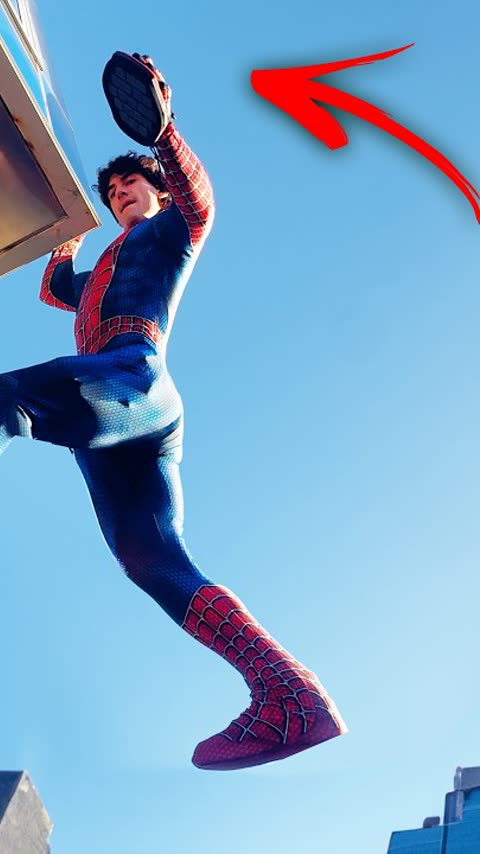
Working versions of movie and comic gadgets, from web shooters to wall-climbing gloves, built in a home workshop and tested outdoors. Some builds sell as toys through the creator’s own company.
Subscribers
6M
Median views
1.4M
Engagement
1.8%
Videos a week
0.2
5 sponsored videos in the last 90 days, in AI tools, games, fintech apps, and online stores.
Long explainers on dams, roads, bridges, and water systems from a civil engineer, shown first on tabletop models and then in the field. Two new videos a month.
Subscribers
4.8M
Median views
1.2M
Engagement
2.7%
Videos a week
0.5
6 sponsored videos in the last 90 days, in metal parts, conservation memberships, and news apps.
Workshop Shorts that build a mechanical gag and then explain the mechanism, mostly in on-screen text. The running series builds a browser game in real life, one part at a time.
Subscribers
1.4M
Median views
576K
Engagement
1.4%
Videos a week
1.4
3 sponsored videos in the last 90 days, in phone cases, AI tools, and design software.
Bench electronics in English: teardowns, tests, and do-it-yourself projects with a spoken walkthrough and a verdict at the end. The Shorts trim each project to its result.
Subscribers
2.2M
Median views
249K
Engagement
2.9%
Videos a week
0.9
8 sponsored videos in the last 90 days, in circuit boards, electronic components, design software, and chargers.
A workshop team led by its engineer founder builds movie and game hardware in multi-part series and tests it on camera. Shorts are clips and quick tests from the builds.
Subscribers
15M
Median views
106K
Engagement
3.8%
Videos a week
3.7
24 sponsored videos in the last 90 days, in design software, AI tools, and workshop tools.
Experiments and demos
One effect shown up close, on a workbench or in the backyard, from electric sparks to slime molds.
Bench-top demos of physics and materials in a home workshop, each long video paired with Shorts of the same demo. The channel also sells books and a plush toy.
Subscribers
3.6M
Median views
1.2M
Engagement
2.8%
Videos a week
0.2
2 sponsored videos in the last 90 days, in STEM kits and finance.
Electrical experiments played for laughs, with capacitors, plasma globes, and household wiring. Installs, tool demos, and debunks of fake viral clips fill the rest.
Subscribers
8.9M
Median views
993K
Engagement
3.4%
Videos a week
0.9
5 sponsored videos in the last 90 days, in learning apps, VPNs, coding courses, and thermal cameras.
Physics demos and thought experiments in a home studio, from plasma rings and solitons to friction paradoxes. A chemical engineer with a PhD talks through each result on camera.
Subscribers
5.2M
Median views
506K
Engagement
2.1%
Videos a week
0.7
10 sponsored videos in the last 90 days, in online courses, software, research tools, and health booking.
Long home-lab projects in genetics, slime molds, chemistry, and imaging, made to show that hard science can be done at home. Shorts are clips from the experiments.
Subscribers
2.2M
Median views
150K
Engagement
4.8%
Videos a week
0.5
2 sponsored videos in the last 90 days, in circuit boards.
Hands-on experiments in a workshop and outdoors: thermite, freeze drying, pressure, and homemade builds. About half of the newest uploads are science; the rest are food and stunts.
Subscribers
1.1M
Median views
113K
Engagement
1.4%
Videos a week
0.9
11 sponsored videos in the last 90 days, in cash-advance apps, pet tech, VPNs, and STEM kits.
Explainers and science news
Big questions, nuclear history, and the week’s new papers, told to camera or over animation.
Shorts only for the past year: perception and math puzzles, quick chemistry, and the odd fact about the body, told to camera with props. Geography and word puzzles take up most of the rest.
Studio-to-camera explainers on new research, with the paper and the graphics on screen, mostly as Shorts. Physics and engineering lead, with biology and medicine between them.
Subscribers
2.6M
Median views
1.8M
Engagement
4.6%
Videos a week
2.3
4 sponsored videos in the last 90 days, in banking apps, phones, batteries, and books.
Field reports from labs and factories cut with animation, each on one discovery or invention, from a former Vox video producer. A Shorts feed of several posts a week covers space, animals, and engineering.
Subscribers
8.9M
Median views
1.4M
Engagement
3.6%
Videos a week
4.9
5 sponsored videos in the last 90 days, in telecoms and pet food.
Five short news explainers a week, filmed to camera with graphics, each on one result in physics, space, or technology. A weekly digest collects them without ads.
Subscribers
1.8M
Median views
440K
Engagement
2.7%
Videos a week
4.9
48 sponsored videos in the last 90 days, in data removal, news apps, learning apps, and VPNs.
Documentary-style stories of nuclear accidents and radiation, some shot on location at Chernobyl, alongside animated physics explainers. Shorts are cut from the location shoots.
Subscribers
2.8M
Median views
385K
Engagement
6.4%
Videos a week
0.5
3 sponsored videos in the last 90 days, in data removal and radiation detectors.
A 15-minute explainer almost every day on a new paper or discovery, with simulations and graphics beside a talking head. Topics move between astronomy, biology, and physics.
Animated explainers with a voiceover from two named co-creators, on human biology, genetics, and the body. Some videos take on questions about sexuality and health.
Subscribers
11M
Median views
161K
Engagement
2.2%
Videos a week
1.4
No sponsored videos found in the last 90 days.
Space and spaceflight
Launch coverage, Starship updates, and short astronomy explainers. Most of these channels post at least weekly.
Weekly spaceflight news episodes built on 3D renders and launch footage, most of them about Starship and SpaceX. News Shorts fill the days between episodes.
Subscribers
674K
Median views
361K
Engagement
4%
Videos a week
4.2
18 sponsored videos in the last 90 days, in legal services, online courses, VPNs, and data removal.
Long animated lessons, 15 to 50 minutes each, that take one idea in math or a neighboring field and draw it until it makes sense. Short puzzle clips set a problem and leave the answer for later.
Desk-and-whiteboard investigations that test a number from TV, sport, or the news with paper models, dice, and oversized props. Most episodes end on a spreadsheet or a calculation on screen.
Subscribers
1.4M
Median views
450K
Engagement
3.4%
Videos a week
0.5
2 sponsored videos in the last 90 days, in VPNs and coding courses.
Long interviews in which a working mathematician explains a result with pen and paper, filmed by the channel’s creator off camera. Ranking games and animated clips run as Shorts.
Subscribers
4.8M
Median views
218K
Engagement
2.2%
Videos a week
2.3
1 sponsored video in the last 90 days, in finance.
Animals and the natural world
Biologists and wildlife hosts with the animal in frame: reptiles, insects, sharks, and whales.
Near-daily hatching and breeding updates filmed on the racks of a reptile zoo, with eggs opened on camera and morph genetics explained. Expo trips and rescue stories fill the gaps.
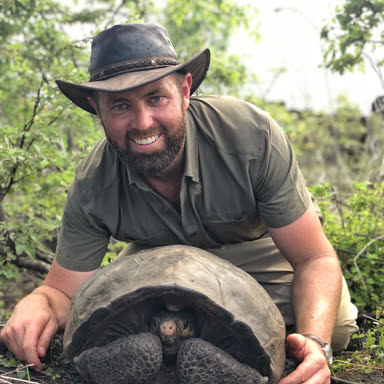
Weekly desk videos from a professional biologist: zoology questions answered with clips and specimens, and care guides with the animal on the table. Viral snake and spider videos get the expert reaction treatment.
Subscribers
981K
Median views
214K
Engagement
4.2%
Videos a week
0.9
8 sponsored videos in the last 90 days, in news apps, therapy apps, headphones, and power stations.
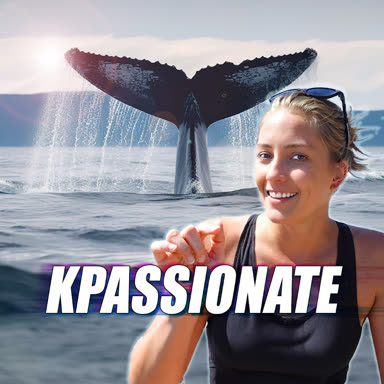
A marine biologist explains ocean news and viral animal stories to camera over news footage, from orcas and sharks to whales never seen alive. Reaction videos check the claims in clips that spread online.
Subscribers
441K
Median views
171K
Engagement
1.8%
Videos a week
0.5
2 sponsored videos in the last 90 days, in VPNs and DNA kits.
Near-daily talking-head Shorts from a wildlife biologist, each answering one animal question. Long sanctuary tours and extinction stories built from archive footage come in between.
Subscribers
3M
Median views
170K
Engagement
1.3%
Videos a week
5.6
2 sponsored videos in the last 90 days, in supplements and binoculars.
Field expeditions with named hosts who take bites and stings on camera, handle animals, and tour sanctuaries in the US, Australia, and the Amazon. Shorts cut single animal facts from the long episodes.
Subscribers
22M
Median views
112K
Engagement
1.5%
Videos a week
0.9
18 sponsored videos in the last 90 days, in biotech, STEM kits, boots, and activewear.
What’s working in science YouTube this month
We analyzed the 276 videos these 32 creators published on YouTube in the last 30 days. Of those, 35 beat their creator’s usual views by 3× or more.
Here is how this month’s breakouts open, read from what each video says in its first seconds, or from its caption when nobody speaks.
1. The object, first
“This thousand-dollar sheet of silicone mimics gecko skin to let me stick to walls from a single hand.”
Six of the month’s breakouts open by pointing at the thing on screen: a sheet of gecko-skin silicone, a ring of plasma, a satellite photo of a spaceplane. The same creators’ usual uploads seldom start this way.
Most of these channels open a usual video on the day’s topic, along the lines of “today we’re going to discuss.” These breakouts skip that line and let the viewer see the subject before anyone names it.
2. What the host is about to try
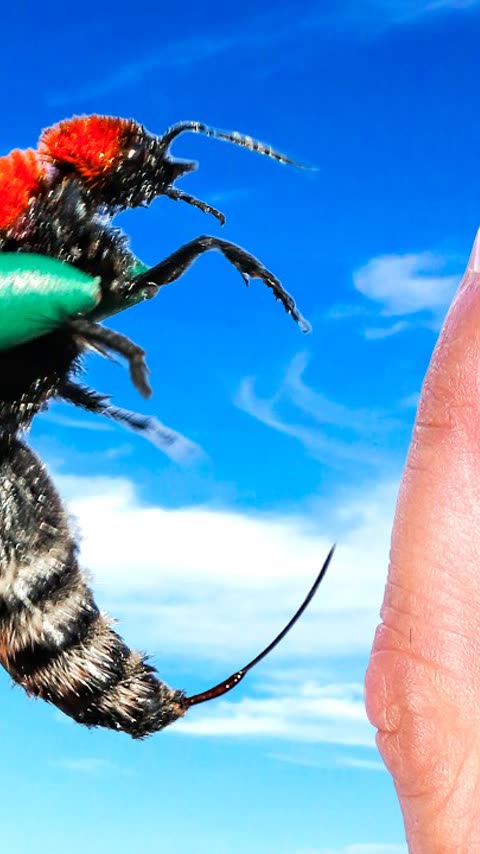
“10 years later. I’m Coyote Peterson and I’m about to enter the sting zone with the cow killer and the tarantula hawk.”
Three breakouts open with the host about to do something on camera: take two insect stings back to back, swing an object through a hot lightsaber blade, or tour a backyard animal rescue.
The first line promises an outcome that only the end of the video delivers. The double-sting video marks ten years since the sting video that, in the host’s words, started the channel’s rise.
3. A claim worth checking
“If you dove into the sun, the first layer you’d hit is hot enough to make diamonds boil.”
Three breakouts open on a claim that sounds too strong to be true: a sun hot enough to boil diamonds, a rainforest under Antarctica, a finding about genetics.
The rest of the video is the evidence, so the claim has to hold up. All of these breakouts are long explainers that walk through how scientists know.
This month’s 3 biggest breakout videos
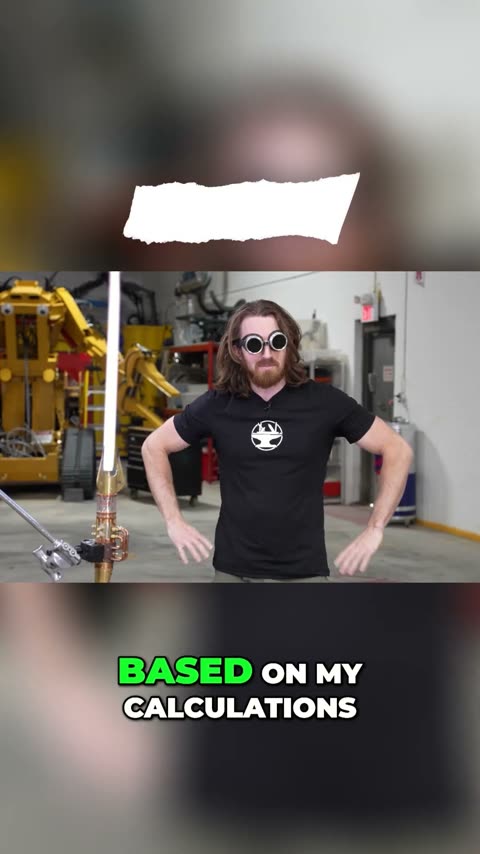
The Hacksmith: “So, let’s see what happens if I swing this through the lightsaber really quickly” reached 3.1M views, 28.9× their usual.
Anton Petrov: “Living Organisms Are Starting to Consume Plastic Waste” reached 4.6M views, 19.7× their usual.
Forrest Galante: “I just learned something that is so insane” reached 2.4M views, 14× their usual.
YouTube science benchmarks by account size
This table shows what the science channels on this list do at each size on YouTube. Use it to judge whether a creator’s numbers are strong for their tier.
Tier
Subscribers
Median views
Engagement
Videos a week
Sponsored videos
Macro
Under 2M
297K
2.7%
1.1
39%
Mega
2M to 10M
467K
3.1%
0.9
18%
Mega
Over 10M
1.3M
2.1%
1.6
39%
The figures are medians across these 32 channels, from each channel’s recent videos. “Sponsored videos” is the share of videos in the 90 days to Oct 28, 2026, that carry a paid-promotion label or a stated sponsor, or are part of a brand campaign.
How to choose a science creator on YouTube
For a brand that wants its product in a science video, from a learning app to a telescope, these are the checks to run before you reach out.
1. Plan around the upload schedule
Several of the largest channels here post one or two long videos a month. A news channel that posts daily can carry a read this week; a build channel may not have a slot until its next project is finished. Ask when the next upload is due before you set a launch date.
2. Find out what the channel sells
Some of these creators sell their own kits, subscription boxes, or toys, and others sell books. A kit brand is pitching a competitor there, so ask before you send a brief.
3. See how crowded the sponsor slots are
Two channels ran a sponsor on every upload of the 90 days, and privacy apps and course platforms sponsor more of these channels than any other kind of product. Your read sits next to theirs, so ask how often the creator changes sponsors and whether your category can be exclusive.
4. Fit the product to the kind of video
A hands-on product shows best in a build or a demo, where it can be used on camera. An app or a course fits an explainer, where the read comes between two parts of the story.
5. Ask who is watching
Parents and teachers search for science channels to show children. YouTube requires every creator to say whether each video is made for kids, so ask how the channel sets it before you plan a campaign aimed at families.
How we built this science YouTuber list
We identified and ranked these creators by searching hundreds of thousands of top-performing science videos across YouTube with Klint.
We rank by median views across each channel’s recent videos, so one viral video can’t lift a channel up the list. Channels from any country qualify if they belong to a creator rather than a studio or a broadcaster, if they are in English, and if at least half of their newest 30 uploads cover physics, chemistry, biology, space, engineering, or math.
To get this list or a similar one for yourself, describe the creators you’re looking for in the Klint web app, or paste this prompt into any AI agent connected to Klint:
Prompt
Find the top 32 science YouTubers in English, each a creator’s own channel and not a studio’s, ranked by median views across their last 30 videos or their last 90 days, whichever is lower. Show subscribers, engagement, sponsors, and each one’s best recent video.Find the top 32 science YouTubers in English, each a creator’s own channel and not a studio’s, ranked by median views across their last 30 videos or their last 90 days, whichever is lower. Show subscribers, engagement, sponsors, and each one’s best recent video.
Klint is trusted by 1,000+ marketers for AI-native influencer marketing.
Questions about science YouTubers
What are the top 5 science YouTube channels?
As of October 2026 the top five science YouTubers by median views are Mark Rober, Vsauce, Veritasium, Dr Ben Miles, and Cleo Abram.
Who is the most famous science YouTuber?
Mark Rober has the most subscribers on this list, about 85M, and the highest median views, about 7.9M per video. The next-largest channels by subscribers are Vsauce and Brave Wilderness.
Who else is like Mark Rober?
The closest on this list are the other engineering build channels: JLaservideo, Practical Engineering, Engineezy, GreatScott!, and The Hacksmith. For one experiment at a time on a smaller scale, try Steve Mould, ElectroBOOM, and The Action Lab.
How do I find science YouTubers to sponsor?
By hand, search YouTube for the topic your product fits, then open each channel’s Videos tab and note how often it posts and who sponsored its last few uploads. With Klint you can ask for “space YouTubers with no sponsor in the last 90 days” and get those channels, with their median views, in one step.
How much do science YouTubers charge?
Rates are private and depend on the format. A sponsor read inside a long video is priced on the channel’s usual views; an integration that uses the product on camera, or a whole build around it, costs more and takes longer to plan.
Why aren’t Kurzgesagt, SciShow, or PBS Space Time on the list?
This list counts channels that belong to a creator, so studio and broadcaster channels such as Kurzgesagt, SciShow, and PBS Space Time are left out. NileRed and Colin Furze posted fewer than six videos in the 90 days, and most of Tom Scott’s recent uploads are about places and history.
Can a creator ask to be removed?
Yes. Any creator can ask to be taken off Klint’s lists, and the request applies to every page they would otherwise appear on.
David Roberts is the co-founder and CEO of Klint. He previously founded a consumer tax software company and grew it to more than a million users. He now builds AI-native marketing systems and writes about what’s working on social media for more than 50,000 followers across X, LinkedIn, and Instagram.
Lucas Walter is the co-founder and CTO of Klint. He has spent a decade building large-scale distributed software, including as CTO of a consumer tax software company that served more than a million users. He now applies that experience to AI, building the systems behind AI-native marketing.